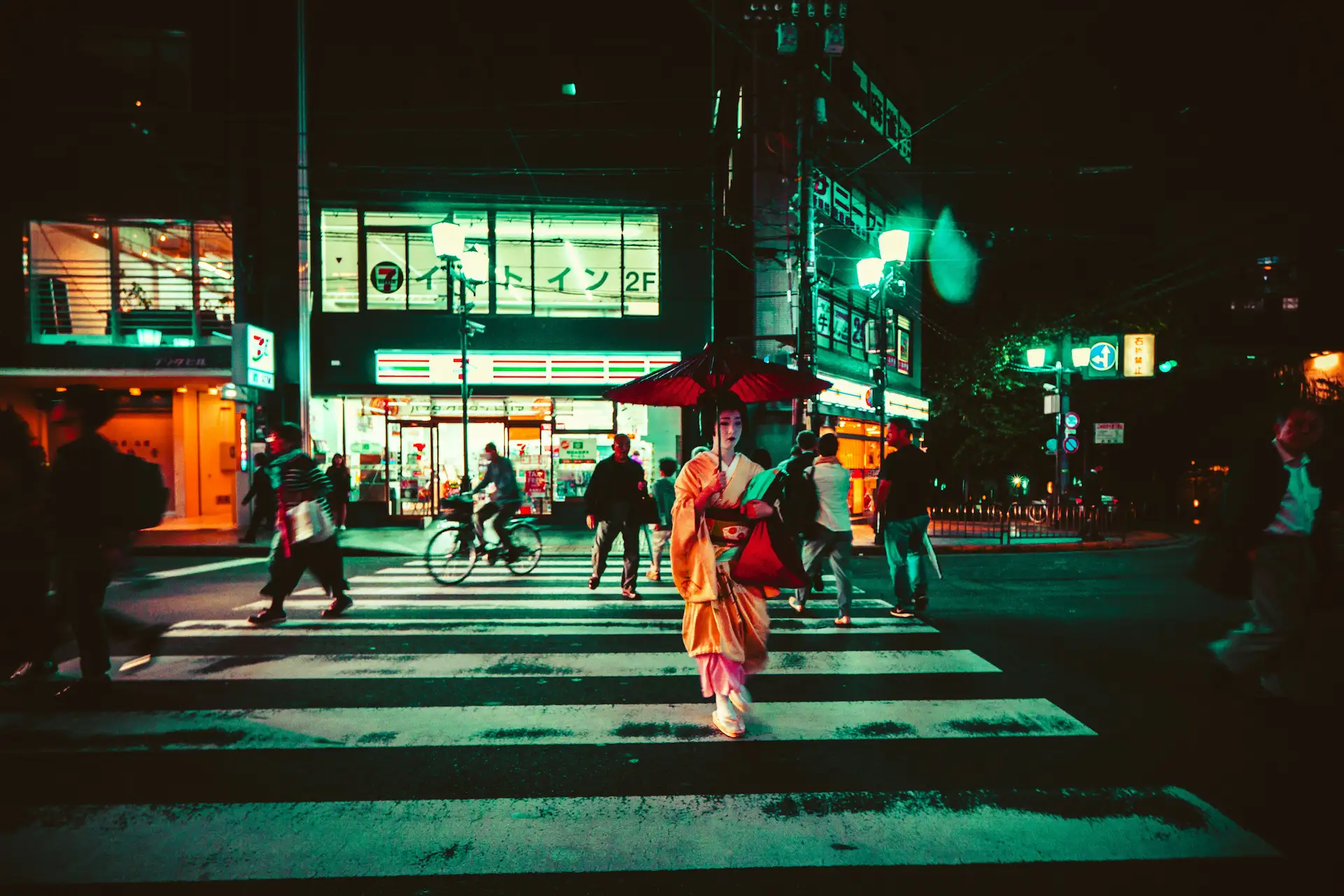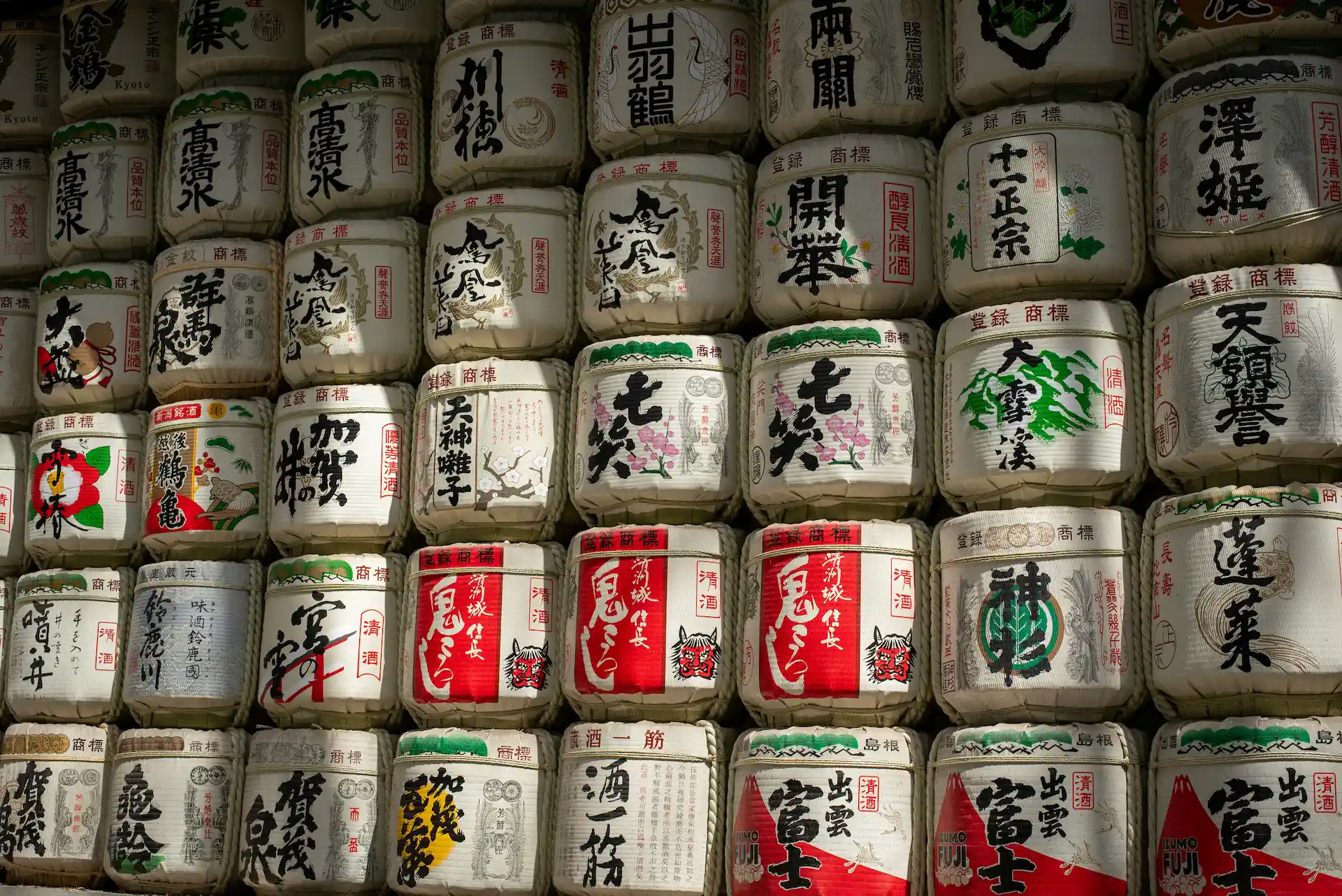
Order "sake" in Japan and you might get a blank look, or a follow-up question — because in Japanese, sake (酒) just means alcohol. Any alcohol. Beer is sake. Whisky is sake. A can of chuhai from the convenience store is sake. The word English speakers use to mean "Japanese rice wine" is, in Japan, a catch-all term that covers the entire liquor aisle.
Nihonshu: The Drink You Actually Meant
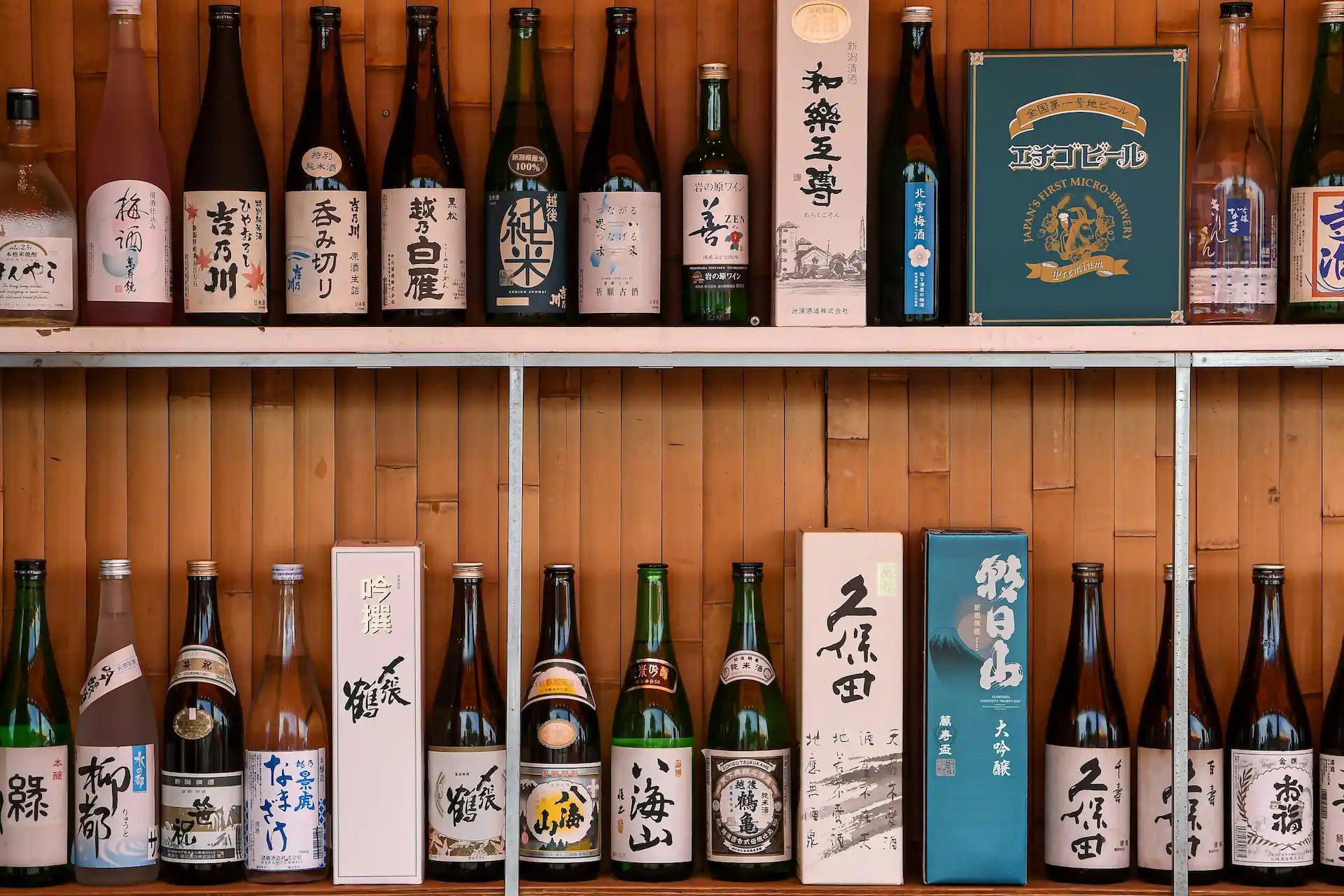
What most people abroad picture when they hear "sake" is properly called nihonshu (日本酒) — literally "Japan alcohol." It's a fermented, unfiltered-then-clarified rice drink, brewed rather than distilled, typically landing somewhere in the 15–17% ABV range. If you want to order it like someone who's done their homework, ask for nihonshu, not sake — it's a small swap that instantly signals you know what you're talking about.
Nihonshu also carries real religious weight. It's central to Shinto ritual — offered at shrines, poured at groundbreaking ceremonies, and central to celebrations like weddings and New Year. It's often described as a drink of the gods, which is part of why it shows up at so many life events, not just dinner tables. One well-known example is otoso, a spiced version of sake drunk on New Year's morning, passed around the family from youngest to oldest as a symbolic wish for health in the year ahead. It's sometimes said that even children take part — but in practice, and under Japan's minor-drinking laws, that usually means a non-alcoholic stand-in or simply tipping the cup to the lips without drinking, rather than children actually consuming alcohol. The ritual matters more than the alcohol content.
Shochu: Distilled, Not Brewed
Shochu (焼酎) looks similar in the glass but is made completely differently — it's distilled rather than fermented, which typically pushes the ABV up to around 20–25%. Unlike nihonshu, which is always rice-based, shochu's base ingredient varies a lot by region and distillery: sweet potato (particularly associated with Kagoshima), barley, rice, and even buckwheat all show up depending on where it's made. That regional variation is a big part of the appeal — a barley shochu from Kyushu and a sweet-potato shochu from the same general area can taste like entirely different spirits.
Awamori: Okinawa's Distilling Tradition
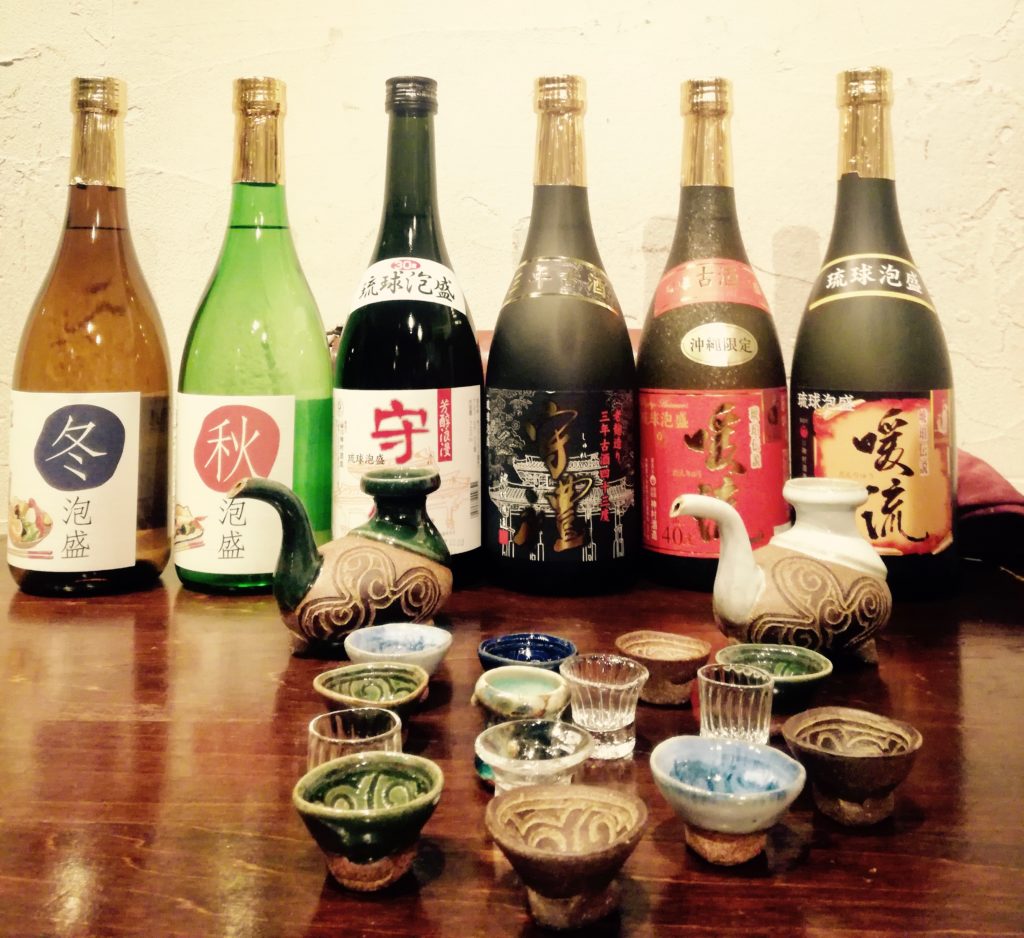
Awamori (泡盛) is where this gets genuinely interesting from a history standpoint. It's Okinawa's own distilled spirit, and it looks a lot like shochu, but it has a distinct origin story: the distillation technique arrived in the Ryukyu Kingdom around the 15th century via trade with Siam — modern-day Thailand — and awamori is still made today using long-grain Thai indica rice and a distinctively Okinawan black koji mold, rather than the koji varieties used on the Japanese mainland. It's considered the oldest distilled spirit in Japan, predating shochu on the mainland by some accounts, and it's traditionally aged in clay pots that deepen its flavor over years or even decades.
Hundreds of Varieties, One Word
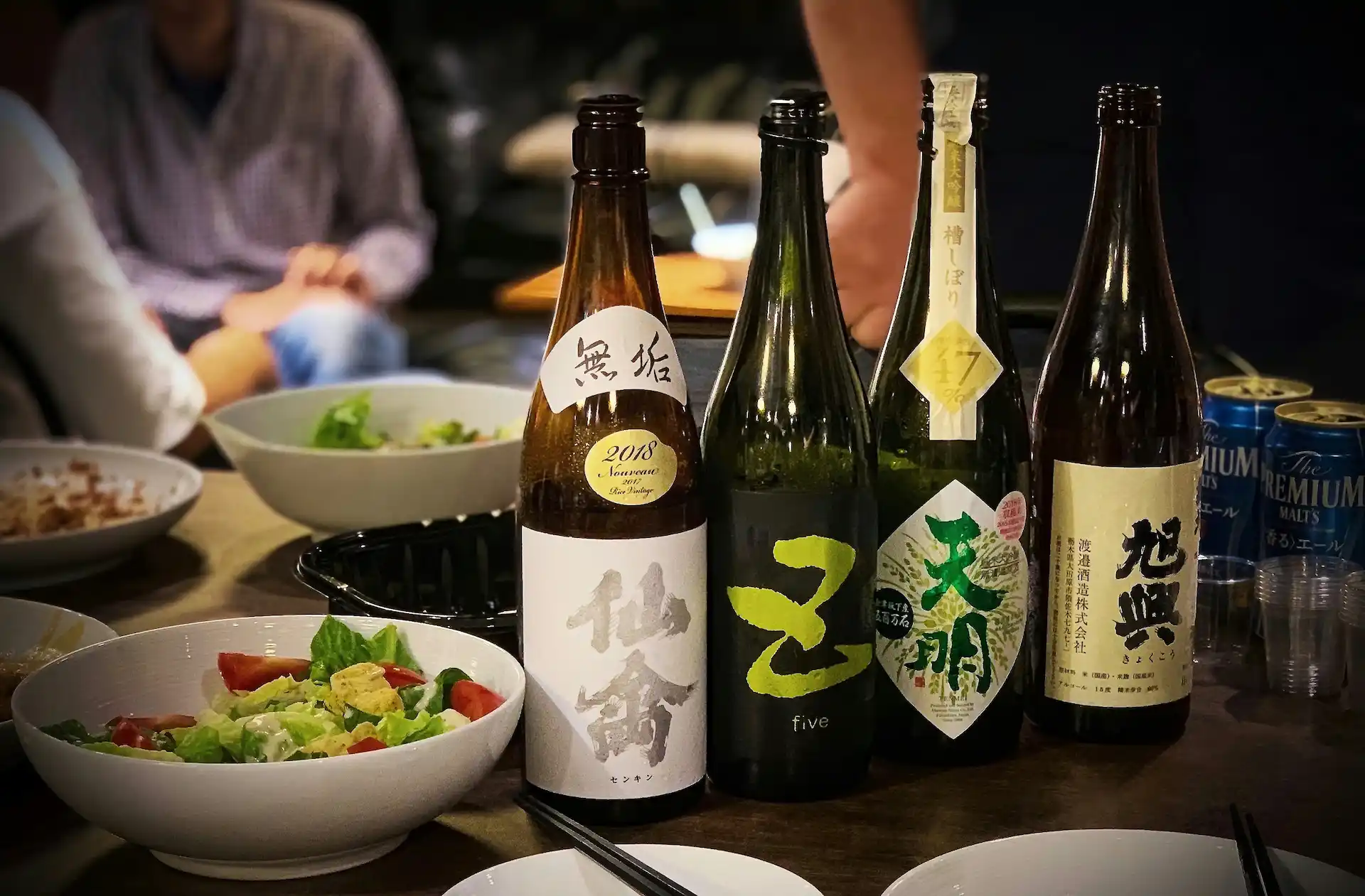
The bigger point is that "sake" was never one drink to begin with. Between nihonshu, shochu, and awamori alone there are hundreds of regional varieties, shaped by local rice, water, koji, and centuries of brewing or distilling tradition specific to each area. If you want to sound less like a first-time tourist, dropping "nihonshu" or "shochu" instead of the catch-all "sake" is a small, easy upgrade — and ordering by name will usually get you a better recommendation from whoever's pouring.
How to Order It Warm (and Get the Temperature Right)
A classic way to close out a meal is a small flask of warmed nihonshu, and Japanese has specific vocabulary for exactly how warm you want it:
Atsukan — hot, around 122°F (50°C)
Nurukan — lukewarm, around 104°F (40°C)
Hiya — despite literally meaning "cold," this one traditionally refers to room temperature, not chilled. If you actually want it cold, ask for reishu instead.
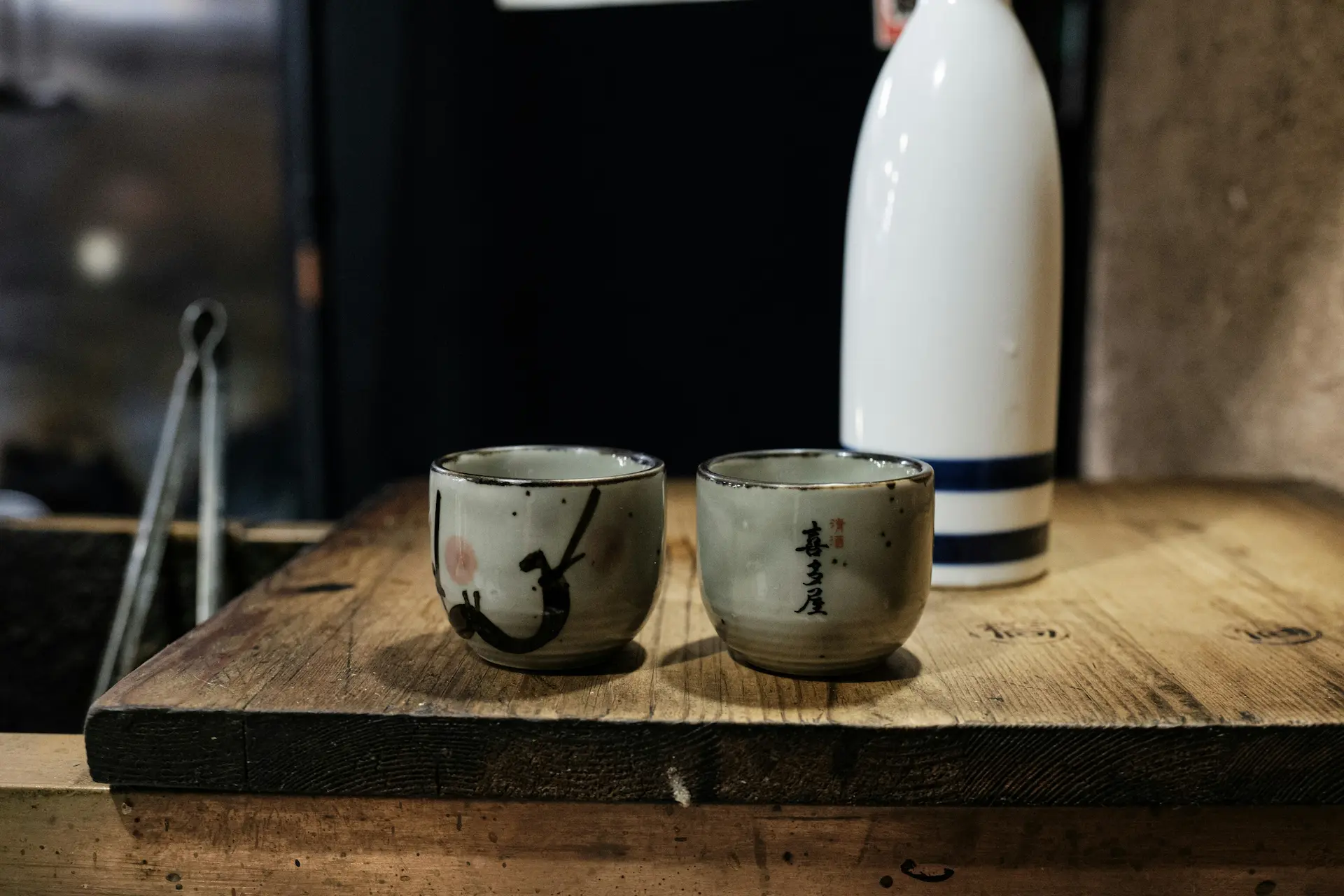
The tradition of warming sake is often said to trace back to lower-quality brews, where a bit of heat helped mask a rough flavor. Whatever its origins, warming has long since become a matter of preference rather than necessity, with its own detailed vocabulary — and using terms like atsukan or nurukan confidently, especially in an old-school neighborhood izakaya, tends to earn a nod of approval from regulars and staff alike.