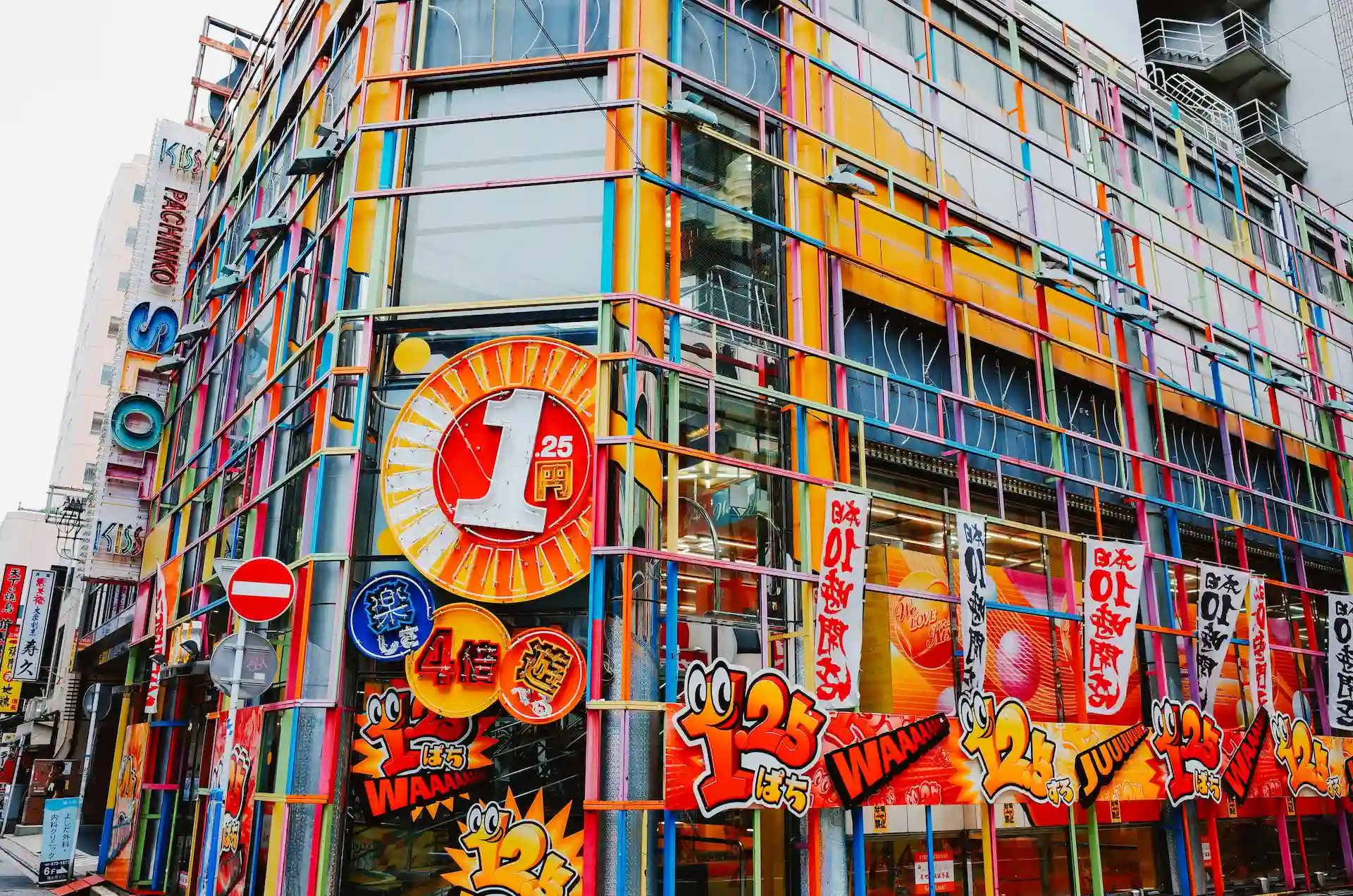
Pachinko is Japan's take on the pinball machine, and it's everywhere. You load small steel balls into the machine and fire them in one at a time; where they fall determines whether you win more balls or lose them. Most modern models only let you control the speed and force of the launch, which keeps the game simple to pick up — and, by most accounts, dangerously easy to keep playing.
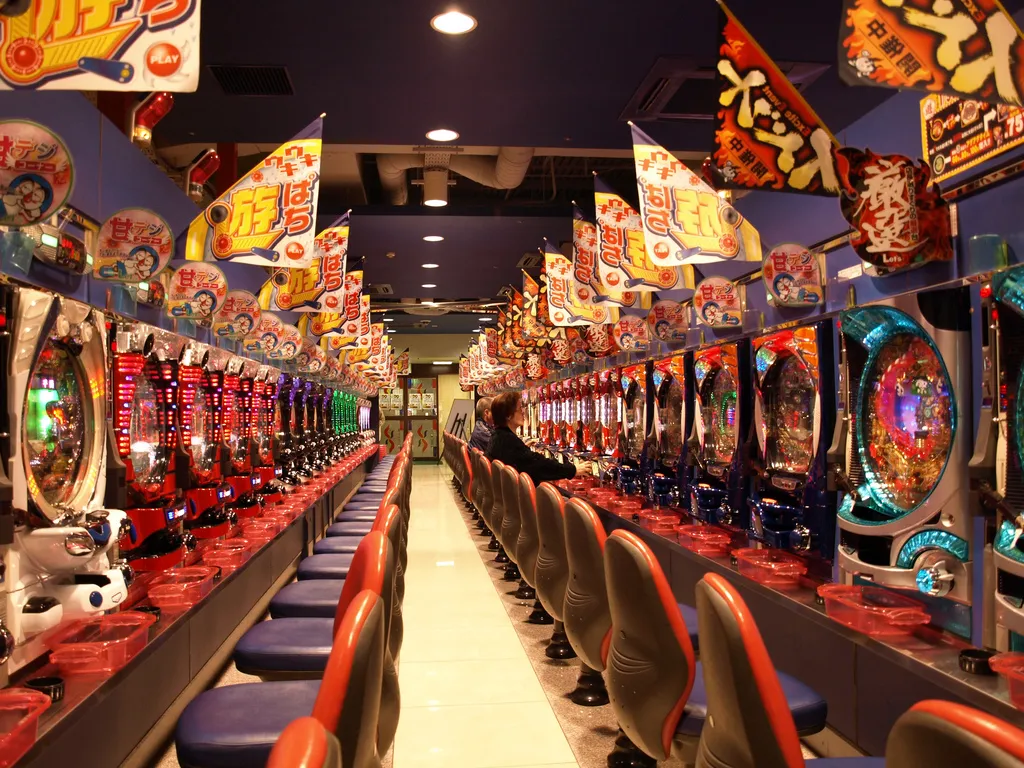
Inside a Pachinko Parlor
Japan is dotted with pachinko parlors, and they're hard to miss: packed with players, loud with the constant clatter of falling balls, and blasting music meant to keep the energy — and the play — going. If you want to try it, the process is simple: buy a tray of balls at the counter, pick whichever machine catches your eye, and sit down. Win, and you can walk out with more money than you came in with.
Is Pachinko Actually Gambling?
Gambling for cash is illegal in Japan — there are no casinos in the traditional sense (though that's set to change: an integrated resort with Japan's first licensed casino is under construction in Osaka, targeting a 2030 opening). Pachinko survives thanks to a well-known and openly tolerated legal loophole often called the three-shop system.
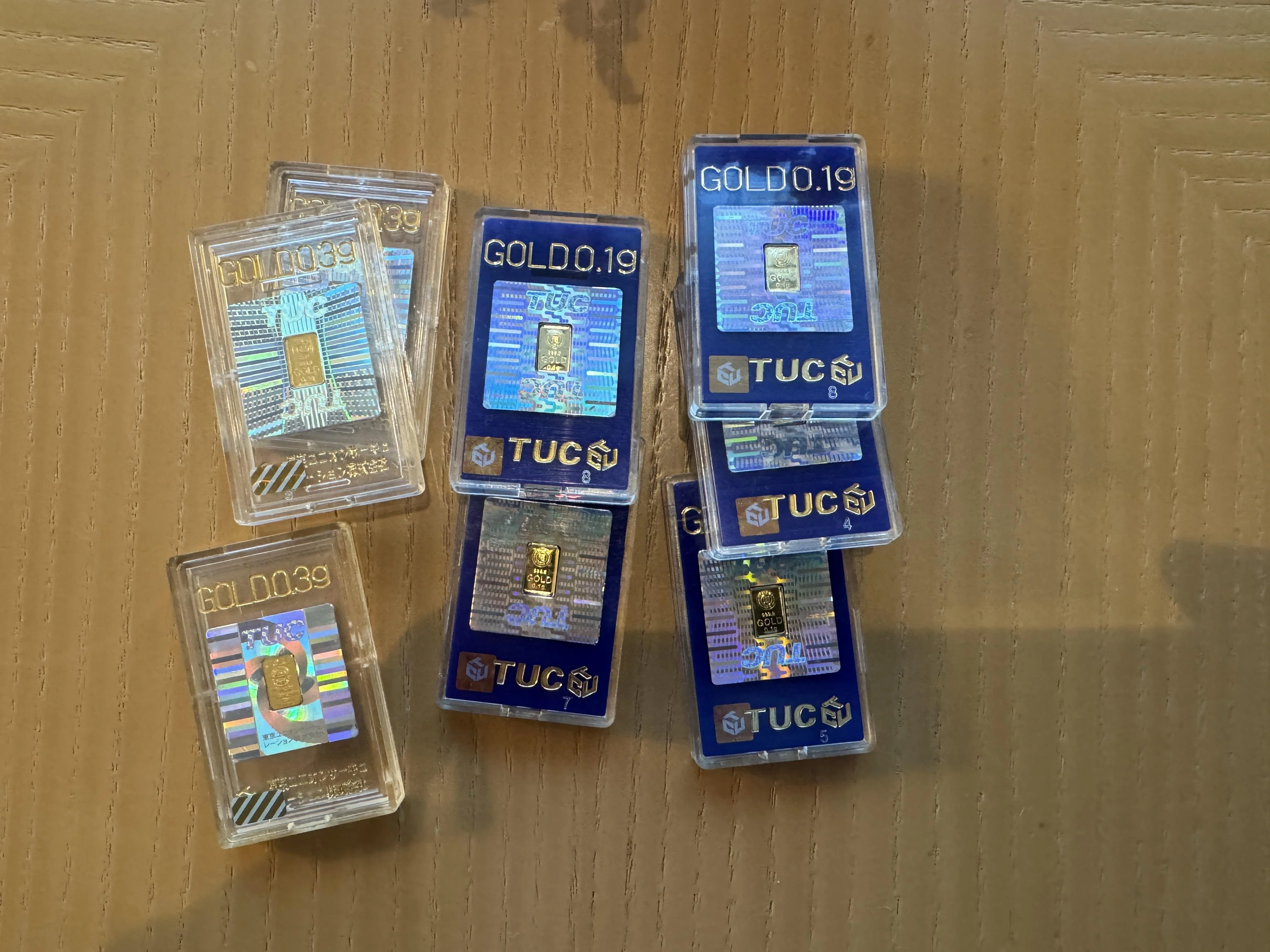
Here's how it works. If you finish with more balls than you started with, the parlor won't hand you cash directly — that would be straightforwardly illegal. Instead, you trade your winning balls for a prize. Sometimes it's a small novelty item, but more often it's what's known as a special prize token (tokushu keihin) — typically a tiny sliver of gold or silver sealed in a plastic case, worth very little on its own.
You then take that token to a separate, independently run counter — usually tucked down a side street near the parlor, and often literally just a small window. This shop buys the token back from you for cash, no questions asked. What makes the whole arrangement legal on paper is that this exchange shop is technically a separate business from the pachinko parlor, even though in practice the two operate in lockstep, and the exchange shop typically sells the tokens straight back to the parlor to be reused. Japanese authorities have known about this arrangement for decades and, in practice, leave it alone.
From Mechanical Toy to Digital Screen
Pachinko has been around since the 1920s, evolving out of an earlier American arcade game called Corinth Game, and it exploded in popularity across Japan in the postwar decades. The earliest machines were entirely mechanical — spring-loaded launchers and a maze of pins, nothing more. Modern machines are a different animal: most now run on electronics, many built around a central screen that plays out animated sequences tied to whatever the balls are doing, turning what used to be a simple game of chance into something closer to a slot machine crossed with a video game.
It's often said that serious players study individual machines within a parlor, trying to work out which ones are paying out well on a given day, and that parlors deliberately adjust each machine's settings overnight specifically to keep that kind of pattern-reading from working. How much of that is genuine industry practice versus player folklore is hard to pin down from the outside, but it's a story you'll hear repeated by regulars in almost any parlor.