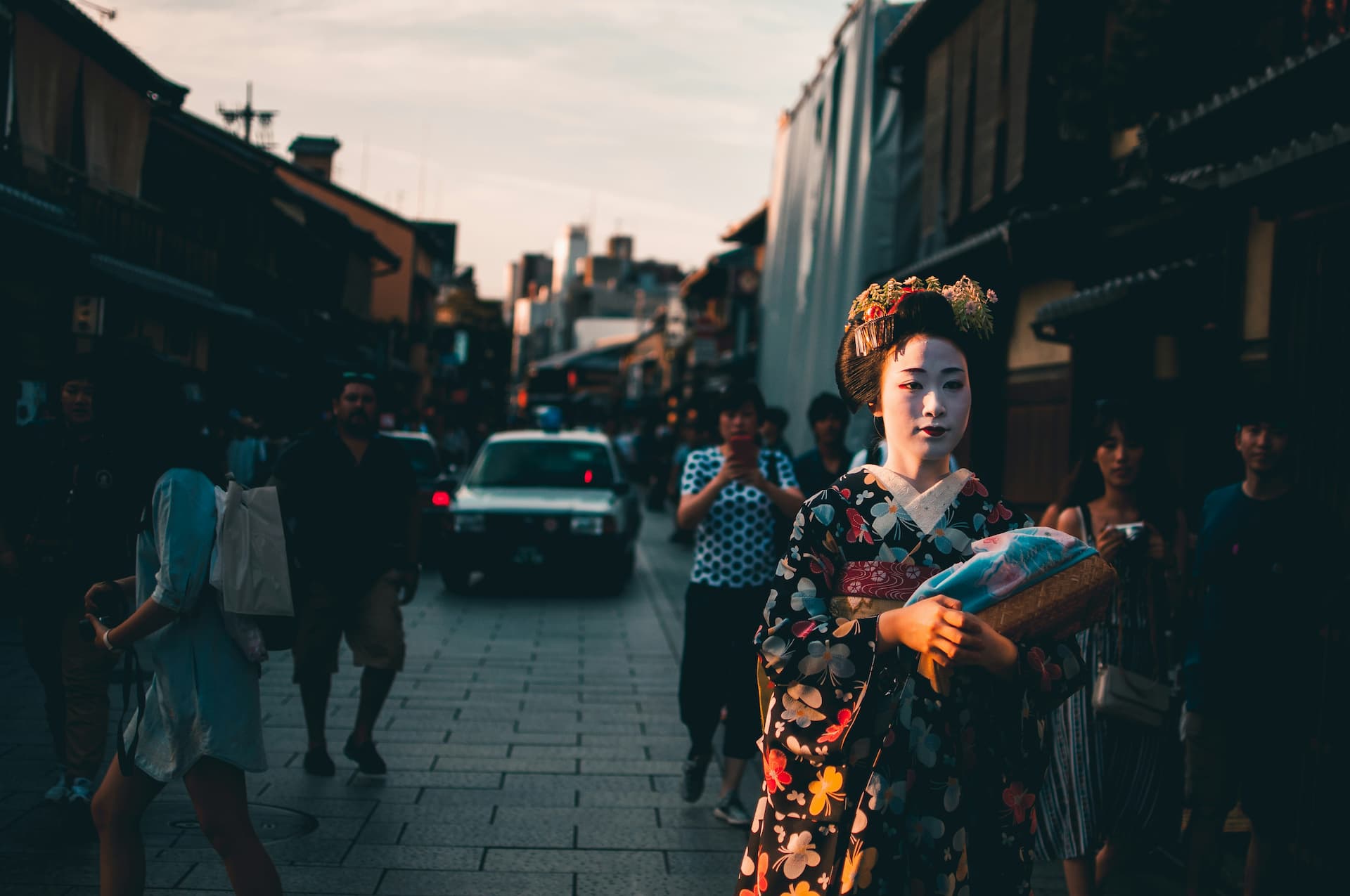
Few figures in Japanese culture are as misunderstood abroad as the geisha. The biggest question people ask is usually the wrong one: "are geisha prostitutes?" They are not, and never have been as a profession — geisha are traditional performing artists, full stop. Untangling why the myth exists is more interesting than the myth itself.
What Is a Geisha, Really?
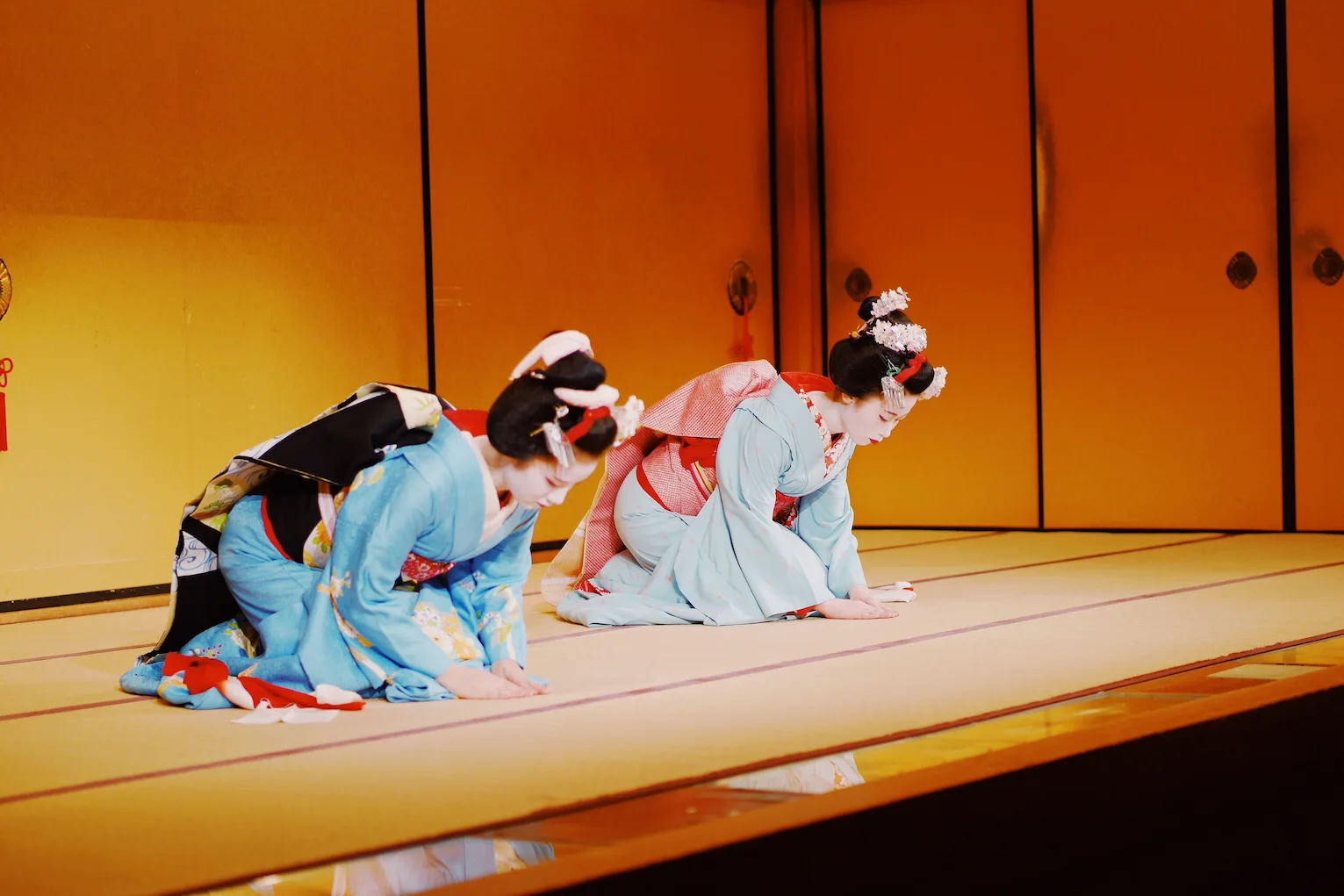
Geisha train for years in classical Japanese dance and in instruments like the shamisen, a three-stringed lute descended from the Okinawan sanshin, which itself evolved from a Chinese instrument brought to the Ryukyu Islands centuries ago. A young woman who wants to become a geisha starts out as a maiko, an apprentice, typically around age 15 or 16, after finishing junior high school. The apprenticeship runs for roughly five years, combining formal lessons with the day-to-day work of assisting senior geisha, before she graduates to full geisha status.
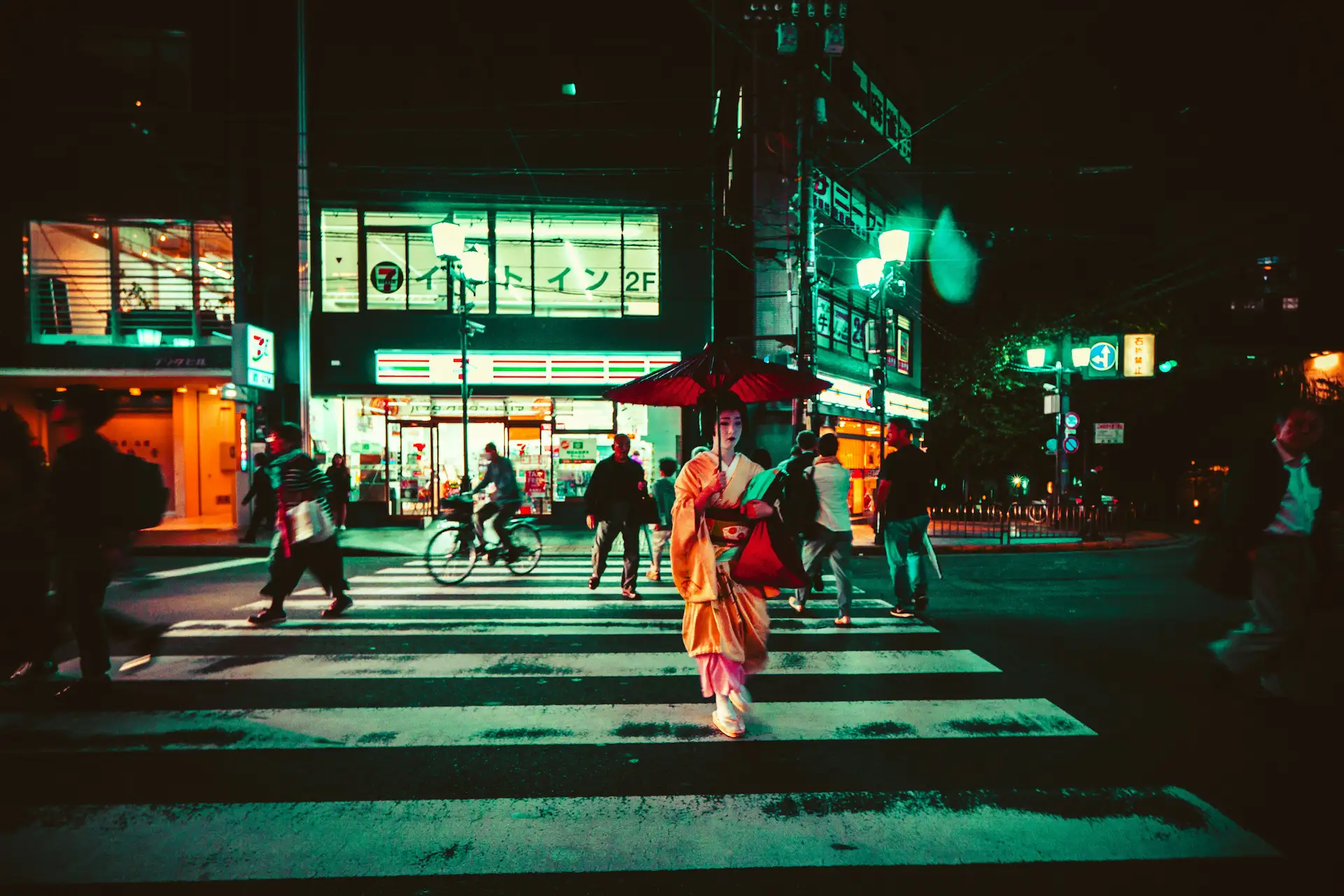
At a private engagement, a geisha performs — dance, music, sometimes both — and then sits with the guests, keeping the conversation going and topping up their sake as the evening unwinds. The job is, at its core, hosting: taking the edge off a long day for men who are often there on business, and doing it with a level of artistry that takes years to build. It's also not cheap, and a room full of guests loosened up by alcohol and flush with money is exactly the kind of environment where reputations get exaggerated.
Are Geisha Prostitutes? Where the Myth Actually Comes From
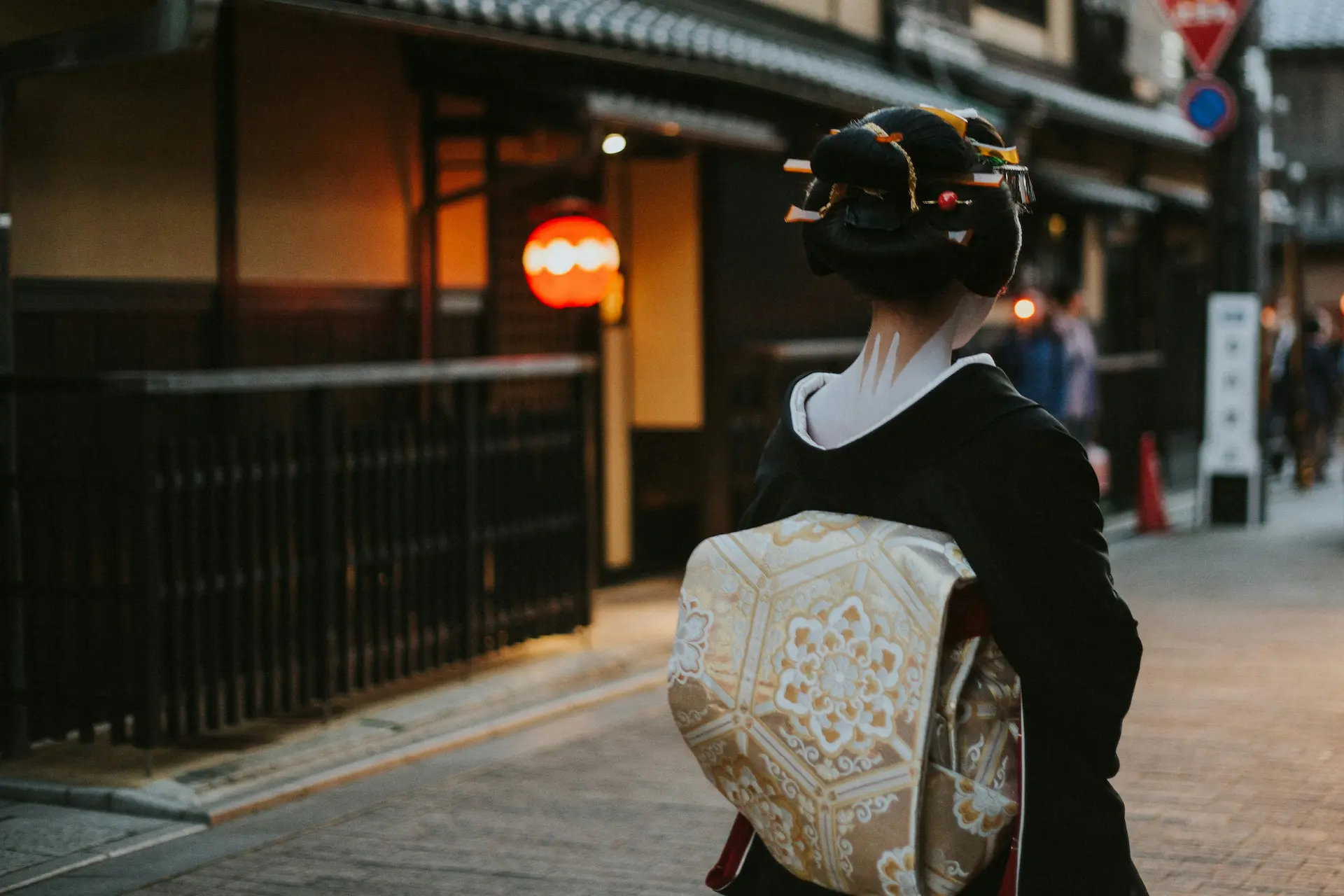
The prostitution myth has a real historical root, just not the one people assume. Before prostitution was outlawed in Japan, some apprentice geisha underwent a coming-of-age ritual called mizuage, in which a patron paid for the privilege of a symbolic "first". This tradition was genuinely tangled up with money and sex in the pre-war era, and it's the detail most responsible for the modern stereotype — largely amplified internationally by novels and films set in that period. Today the equivalent ceremony, called erikae ("turning of the collar"), is entirely non-sexual: it simply marks the day a maiko exchanges her red collar for the geisha's plain white one, along with a change of kimono, hairstyle, and the wig she'll wear from then on.
The confusion was compounded after WWII, when unlicensed women in the entertainment districts around US military bases sometimes called themselves "geisha" to foreign servicemen, despite having none of the training. That usage stuck in the Western imagination far more than the real profession did.
Today, genuine geisha are also careful to distinguish themselves from a separate, informal category sometimes called onsen geisha — women at hot-spring resort towns who use the geisha label loosely without the years of formal training, and whose services can shade toward the kind of thing tourists assume all geisha offer. Licensed geisha in Kyoto's traditional districts have nothing to do with this and go to real lengths to protect their reputation as artists.
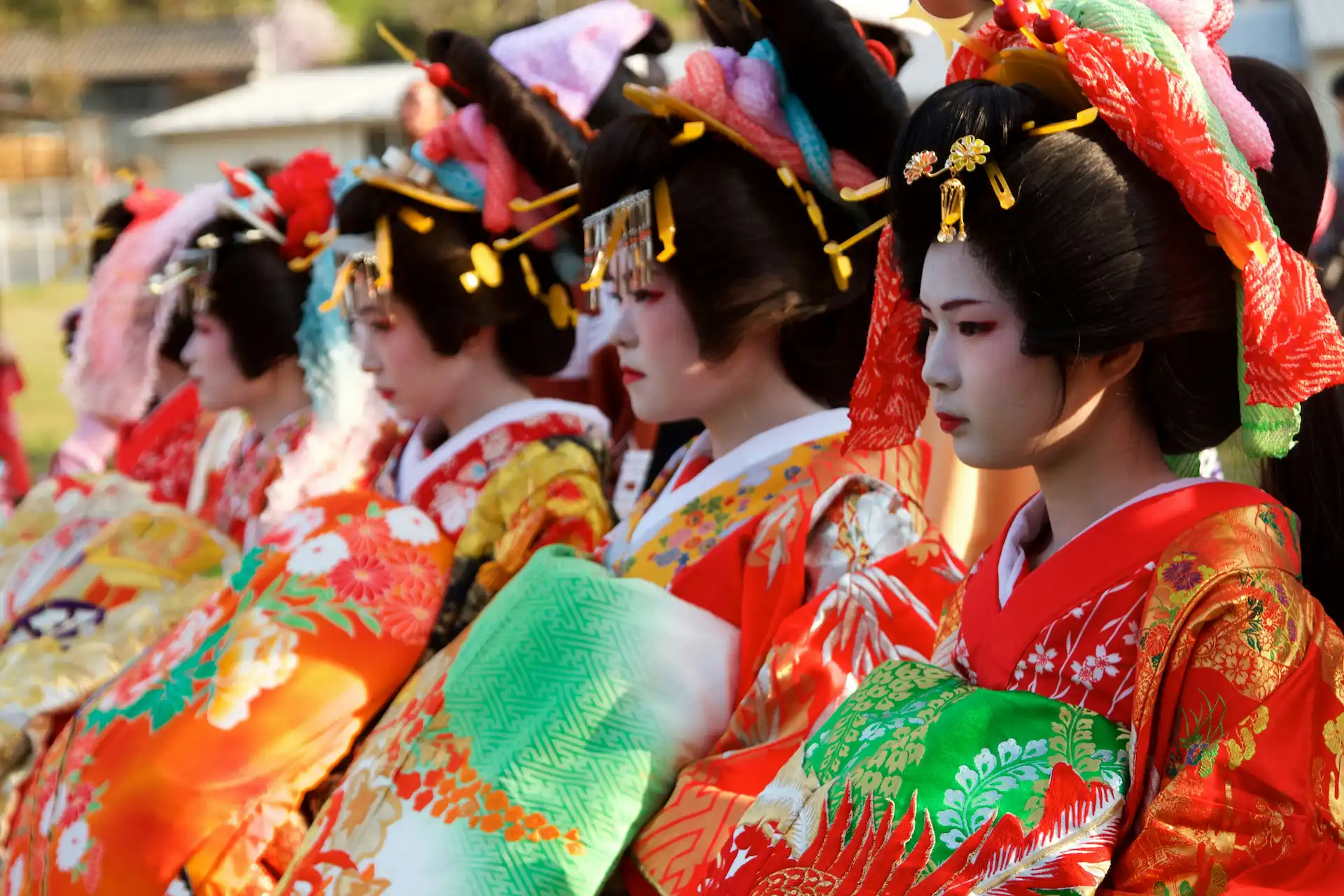
Geisha vs. Hostess: What's the Difference?
Japan also has a completely separate, modern industry that outsiders often lump in with geisha: the hostess bar. A hostess isn't trained in traditional arts — she wears regular clothes, sits with customers, keeps the conversation and the drinks flowing, and is paid for her time, typically around $50 an hour, a fraction of what a real geisha costs. Hostess bars are common across Japan, and the male equivalent — a host, who does the same for female customers — is just as common. Both are considered legitimate, well-paid work, and plenty of university students do it part-time.
A night with a genuine, top-tier geisha, by contrast, runs into the thousands of dollars. That price gap is part of why the two get confused: to a visitor unfamiliar with either, the surface behavior looks similar. The training, the art, and the exclusivity are what actually separate them.