Praying at a shrine follows a set sequence, and it's simpler than it looks once you've done it once. Here's the whole process, from the moment you reach the entrance to the moment you walk away.
1. At the Torii Gate
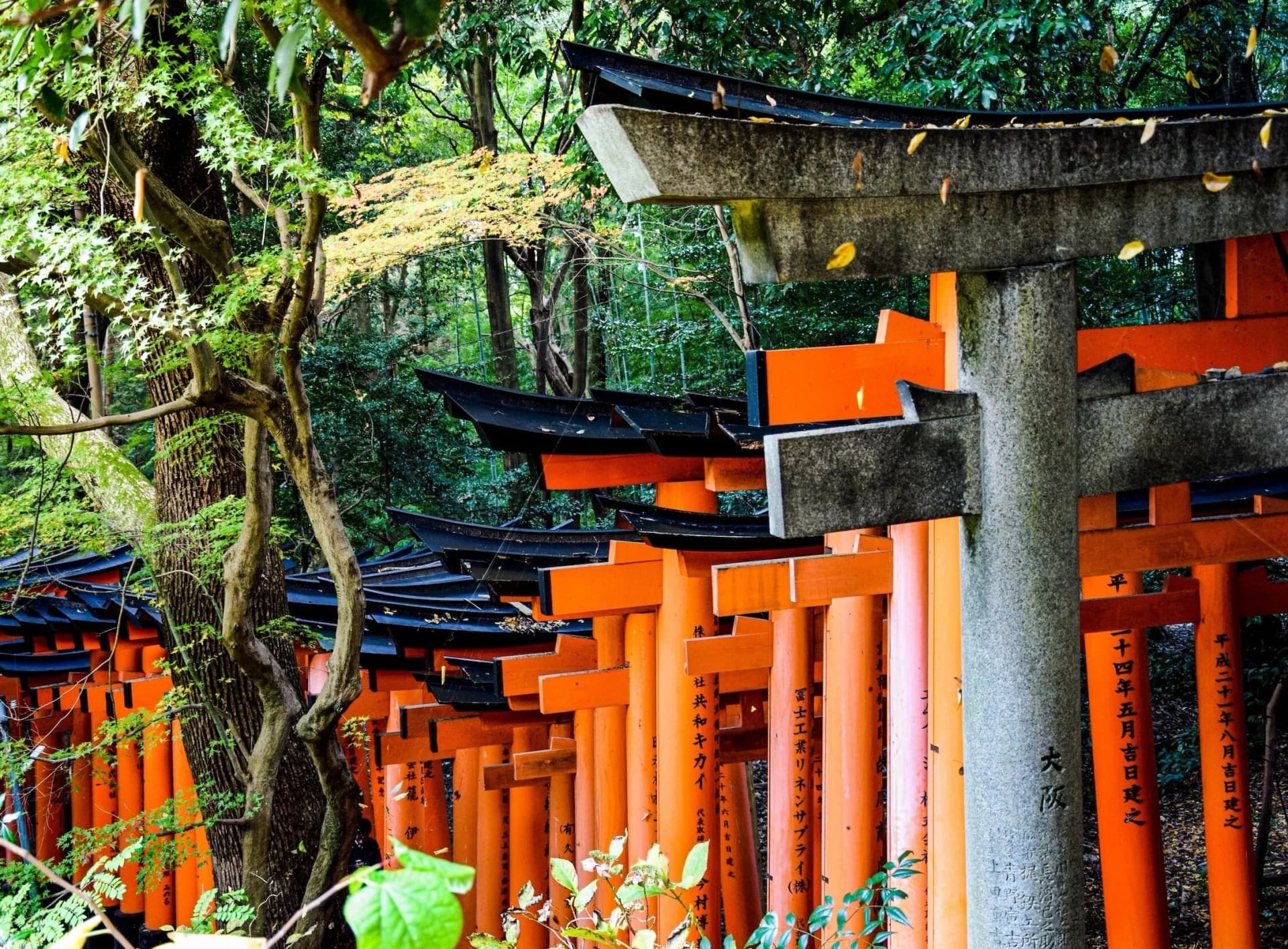
The torii marks the boundary of sacred ground. Pause and give a small bow before passing through, and try to walk slightly to the left or right of the center rather than straight down the middle — the center of the path is traditionally reserved for the kami to pass, not for visitors.
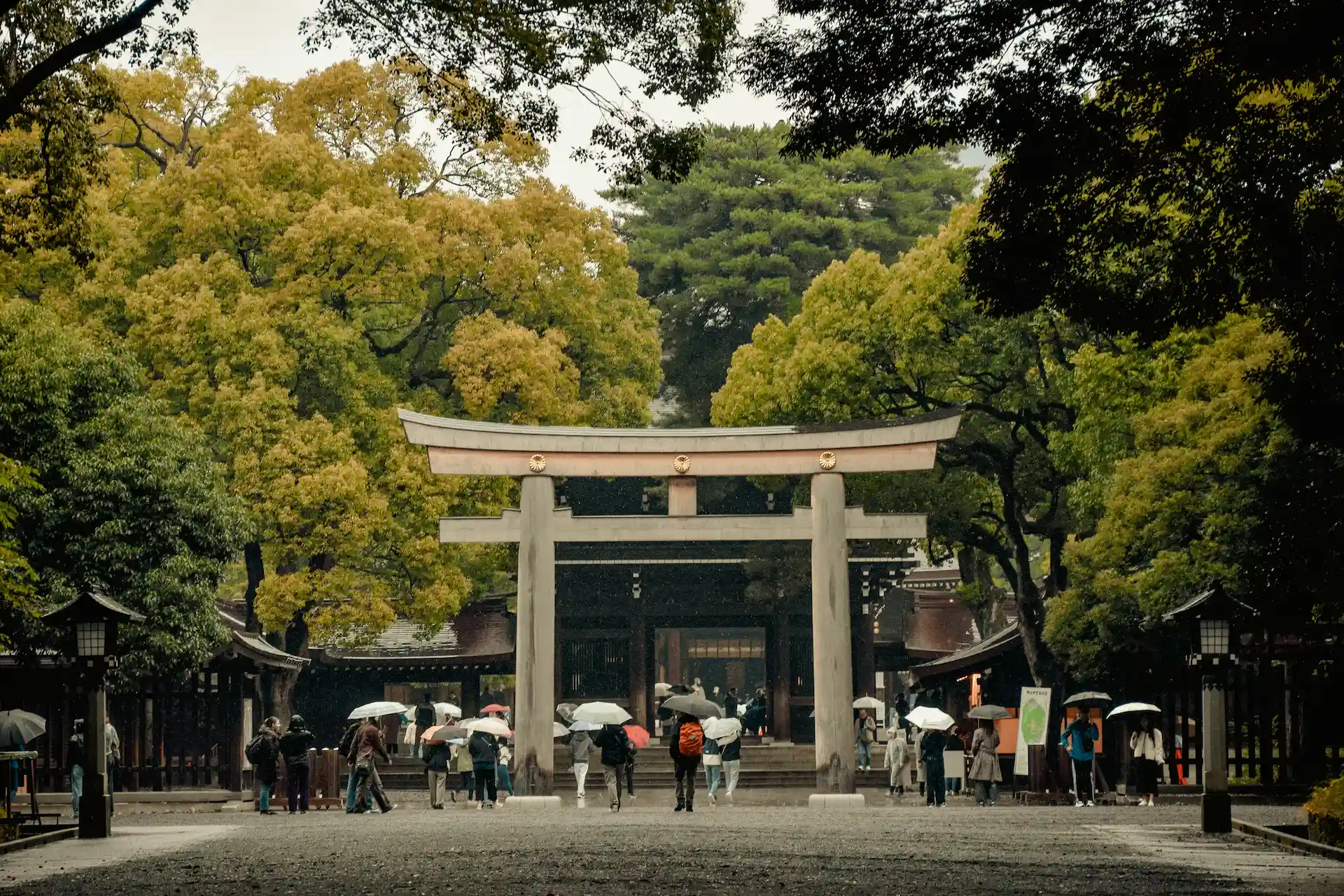
2. Purify Yourself at the Temizuya
Before approaching the main hall, most shrines have a temizuya (also called chozuya) — a small water pavilion for washing away impurity before greeting the kami. The traditional sequence, done with a single scoop of water from the ladle (hishaku):
Hold the ladle in your right hand and pour water over your left hand.
Switch the ladle to your left hand and pour water over your right hand.
Switch back to your right hand, pour a little water into your cupped left palm, and rinse your mouth from your hand — never touch the ladle directly to your lips.
Rinse your left hand once more.
Finally, tilt the ladle upright so the remaining water runs down the handle, rinsing it for the next person, before setting it back in place.
Some shrines have switched to flowing water instead of ladles — if so, simply rinse both hands under the water; rinsing your mouth is optional in that case.
3. At the Main Hall
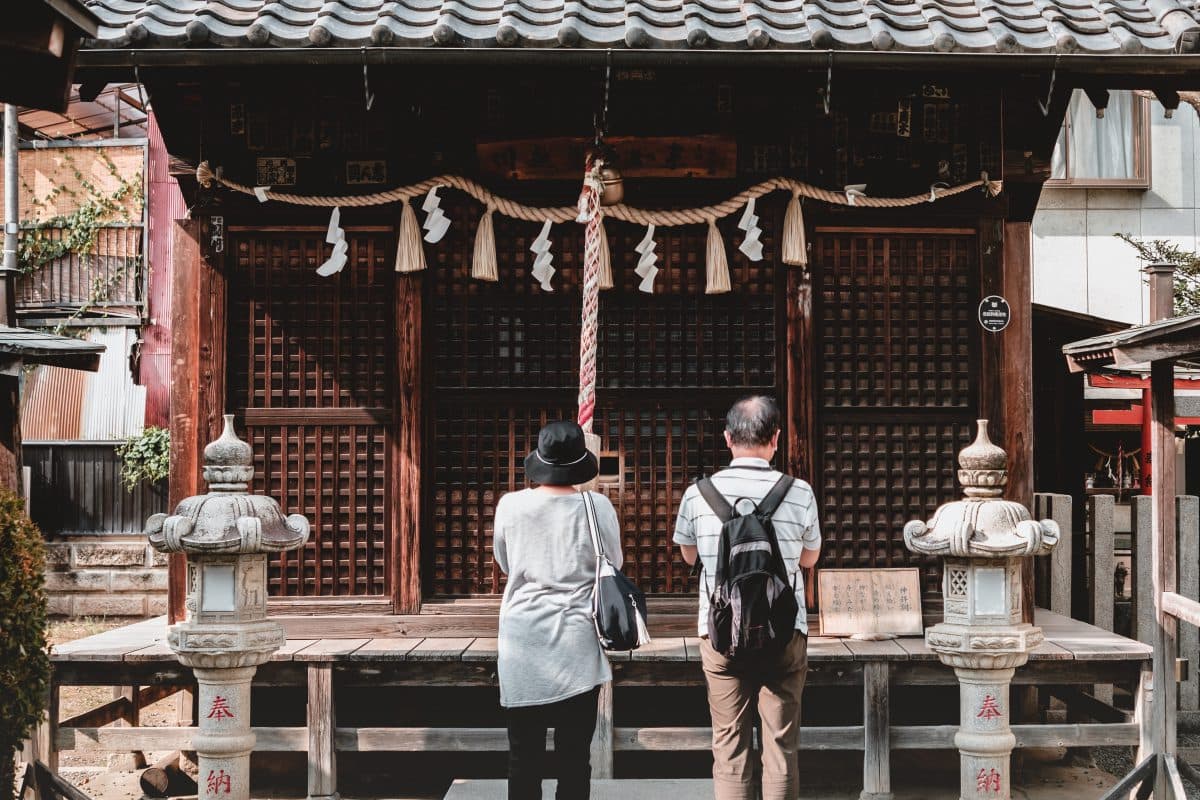
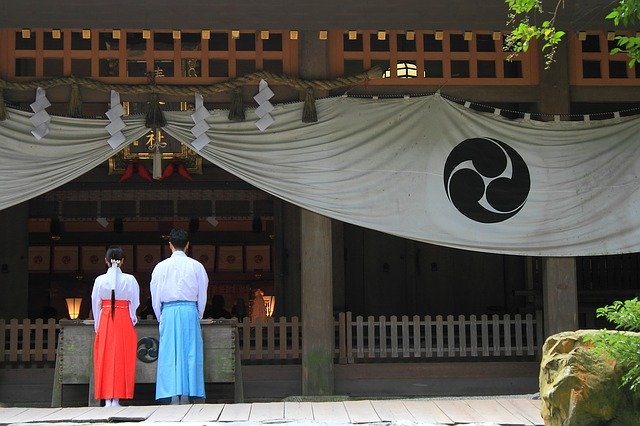
Once you reach the haiden (worship hall), the prayer sequence is:
Make an offering – Toss a coin gently into the box. A 5-yen coin (go-en) is considered lucky, since go-en is a pun on another word meaning "connection" or "good fate."
Ring the bell (if present) – This is generally understood as a way of greeting the kami and announcing your presence.
Bow twice – Two deep bows, close to a 90-degree angle.
Clap twice – Bring your palms together, then clap. Keep your hands together after the second clap.
Pray silently – Some people state their name and address in their mind first, so the kami knows who's asking, then make a wish or express thanks.
Bow once more – One final deep bow to close.
This sequence is known as ni-rei ni-hakushu ichi-rei — literally "two bows, two claps, one bow" — and it's the standard at the vast majority of shrines across Japan.
Where This Ritual Came From
This exact sequence isn't ancient — it was formalized as the standard etiquette for shrine priests during the Meiji era, in the early 20th century, and gradually became the pattern ordinary visitors follow too. Before that, worship practices varied more by region and by shrine.
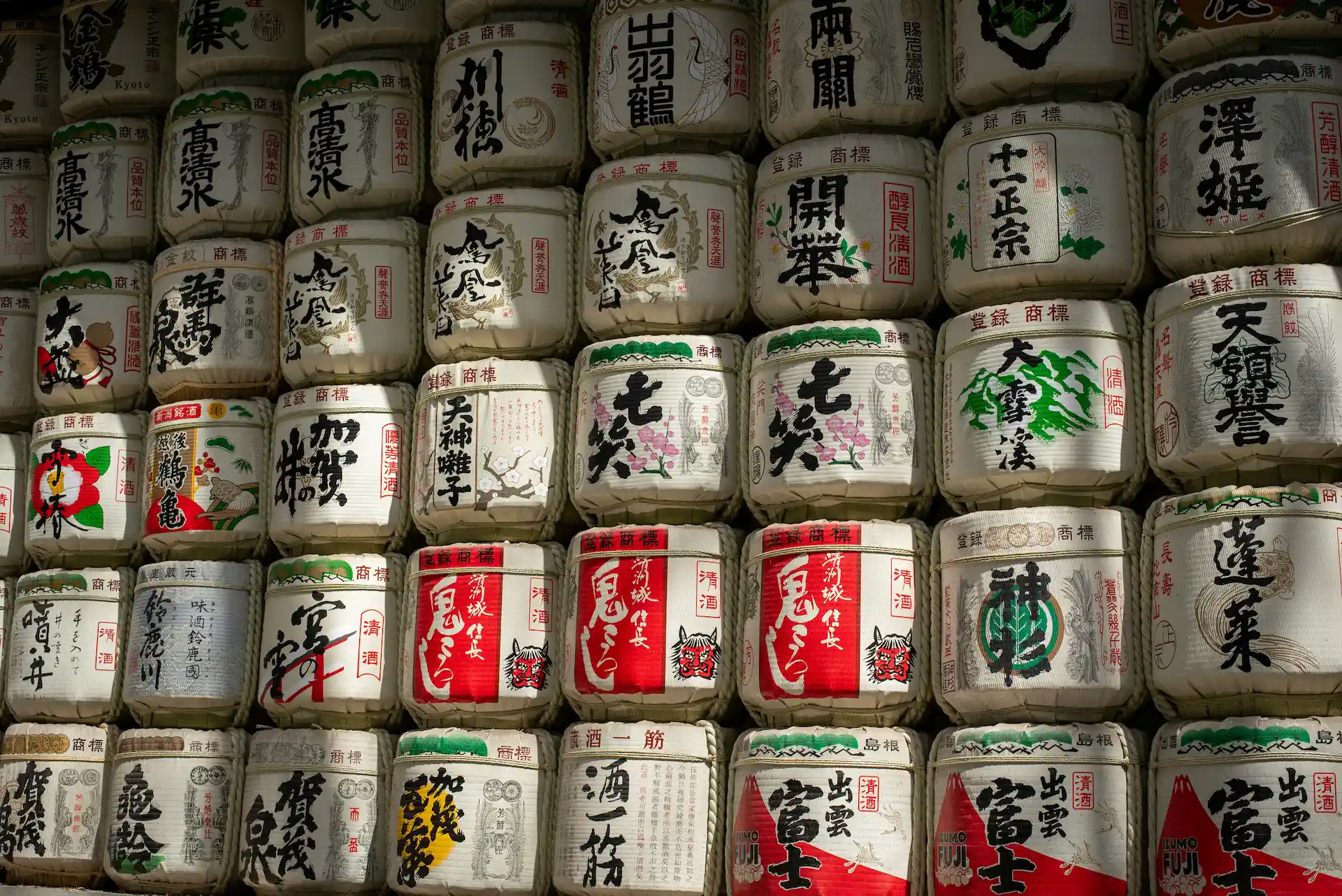
A handful of shrines still keep older or distinct patterns. The best-known exception is Izumo Taisha in Shimane Prefecture, one of Japan's oldest and most important shrines, where the sequence is two bows, four claps, and one bow. The extra claps are generally explained as a way of reaching both the visible world and the unseen one — some say two claps are meant for yourself and two for someone you carry with you, whether present or not. Usa Jingū in Oita Prefecture follows the same four-clap pattern. If a shrine has its own variation, there's usually a sign near the haiden explaining it, so it's worth a glance before you begin.
Clapping itself is generally understood as an extension of something very ordinary — a natural expression of pleasure or gratitude — turned into a formal, respectful gesture directed at the enshrined kami.
Shrine vs. Temple: Don't Clap at a Temple
This is the single most common mix-up for first-time visitors: the bow-clap-bow sequence is specific to Shinto shrines (jinja). At Buddhist temples (otera), the etiquette is different — you press your palms together silently and bow, but you don't clap. If you're not sure which you're at, torii gates mean shrine; a larger wooden gate (sanmon), incense, and Buddha statues mean temple.