Religion (Shinto & Buddhism)
What is Shinto
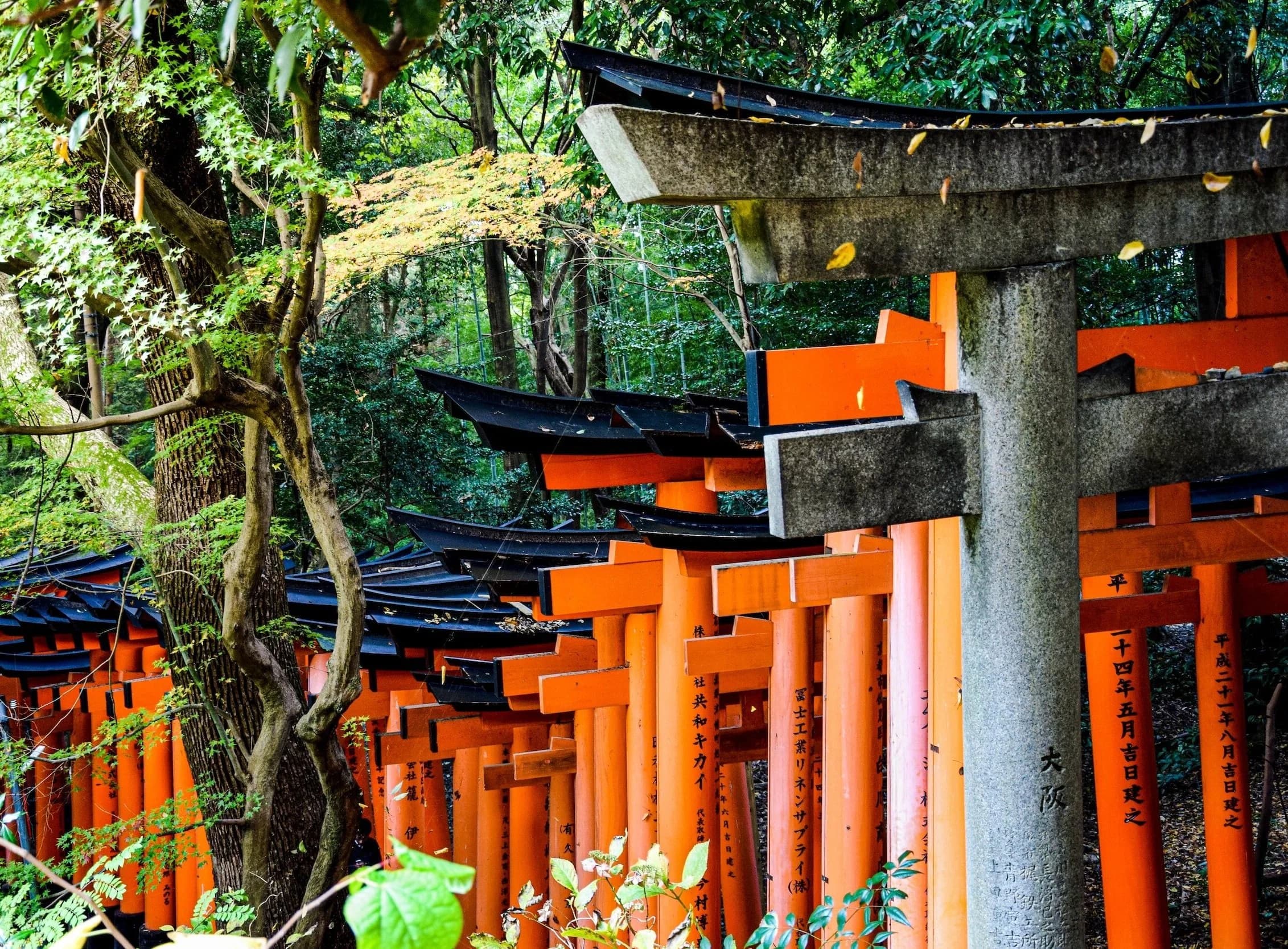
If you've spent any time in Japan, you've probably noticed a pattern that puzzles a lot of visitors: the same person might visit a Shinto shrine on New Year's Day, get married in a Christian-style ceremony, and have a Buddhist funeral when they die. To outsiders — whether they come from a monotheistic tradition like Christianity, Judaism, or Islam, or a polytheistic one like Hinduism — this can look like a lack of real religious conviction. In fact, it reflects something much more specific: Shinto isn't really a religion in the sense most people mean the word.
An Indigenous Way of Life, Not a Doctrine
Shinto (Shintō, 神道) is Japan's native folk tradition, and it has quietly shaped Japanese thought, ethics, and culture for thousands of years. Unlike the major world religions, it has no founder, no central scripture, and no fixed dogma to follow. There's no single authority telling practitioners what to believe.
Because of this, Shinto functions less like an organized religion and more like a philosophy or a way of relating to the world. Its focus isn't on the afterlife or salvation — it's about living well right now: maintaining harmony between people, and between people and nature.
Nature Is Sacred
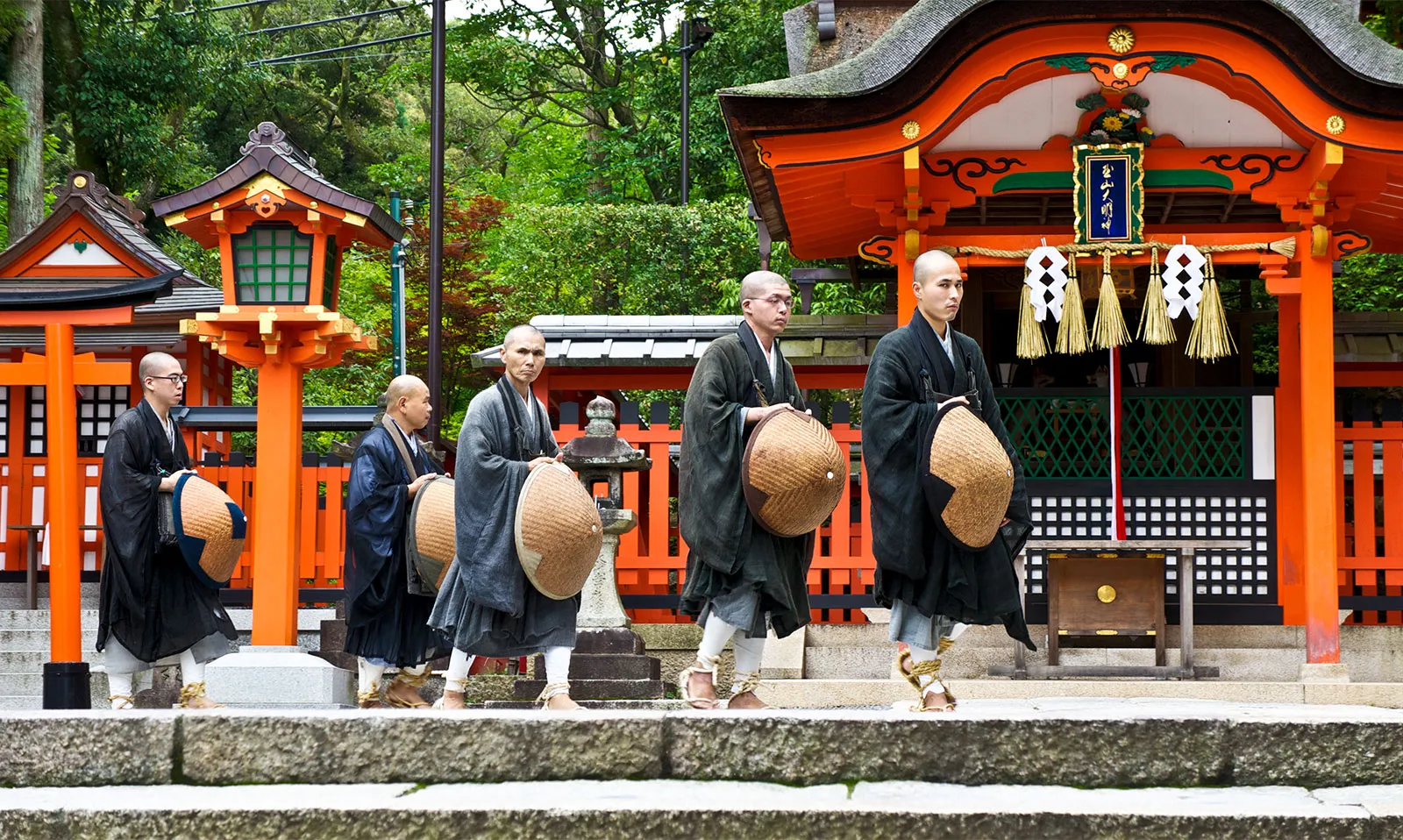
At the heart of Shinto is the idea that kami —
spirits or gods — inhabit the natural world. Mountains, rivers, rocks, and especially certain trees are treated as sacred, believed to house a kami within them. Spending time in nature, in this view, is a way of drawing closer to the divine.
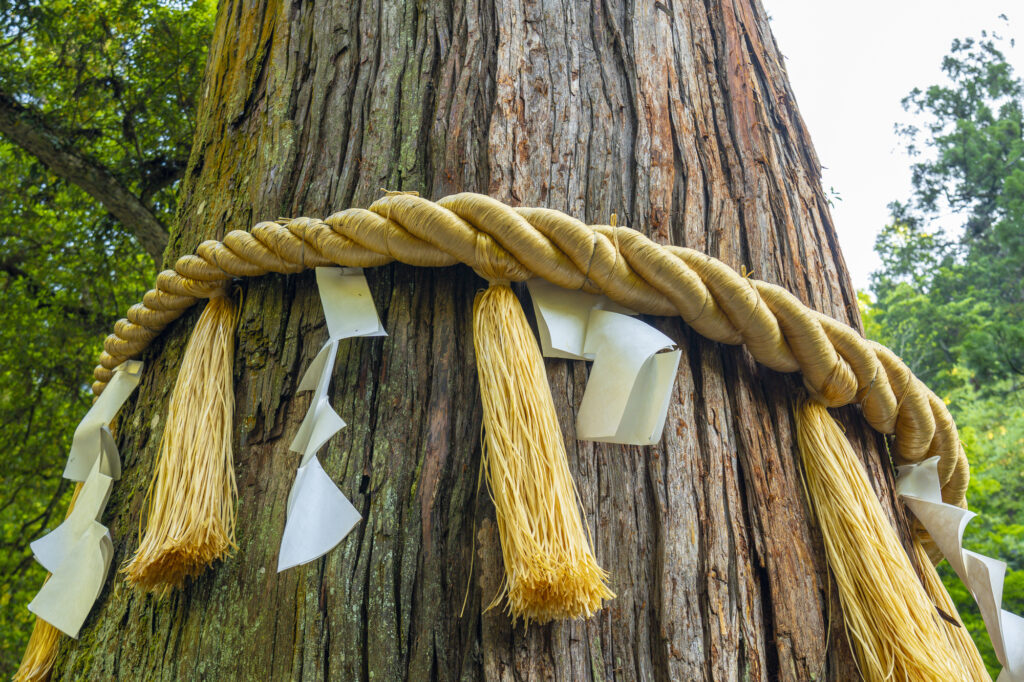
This is why you'll often see massive, ancient trees at shrines wrapped in twisted straw rope (shimenawa), marking them as sacred. Visitors tie ema — small wooden plaques inscribed with a wish — near these trees or shrine buildings, asking the kami to grant them. Tradition holds that if the wish comes true, you're expected to return and hang a second ema, this time as a thank-you.
Objects Carry a Piece of You
One of Shinto's more distinctive ideas is that possessions aren't entirely separate from their owners — a kind of personal spirit clings to the things you own and use. This belief shapes everyday behavior in ways that might seem surprising.
Take gift-giving: because handing someone an object means handing over a fragment of yourself, even a modest, inexpensive gift carries real weight in Japan. It's treated as a genuine gesture of connection, not judged by price.
The same idea works in reverse when it comes to secondhand goods. Many Japanese people feel hesitant about buying used items, since something of the previous owner's spirit is thought to linger in them. Interestingly, this belief is credited with one unexpected upside: Japan's remarkably low theft rate. Taking something that belongs to someone else isn't just theft of an object — it's treated as stealing a piece of that person.
A Religion Built Around Relationships
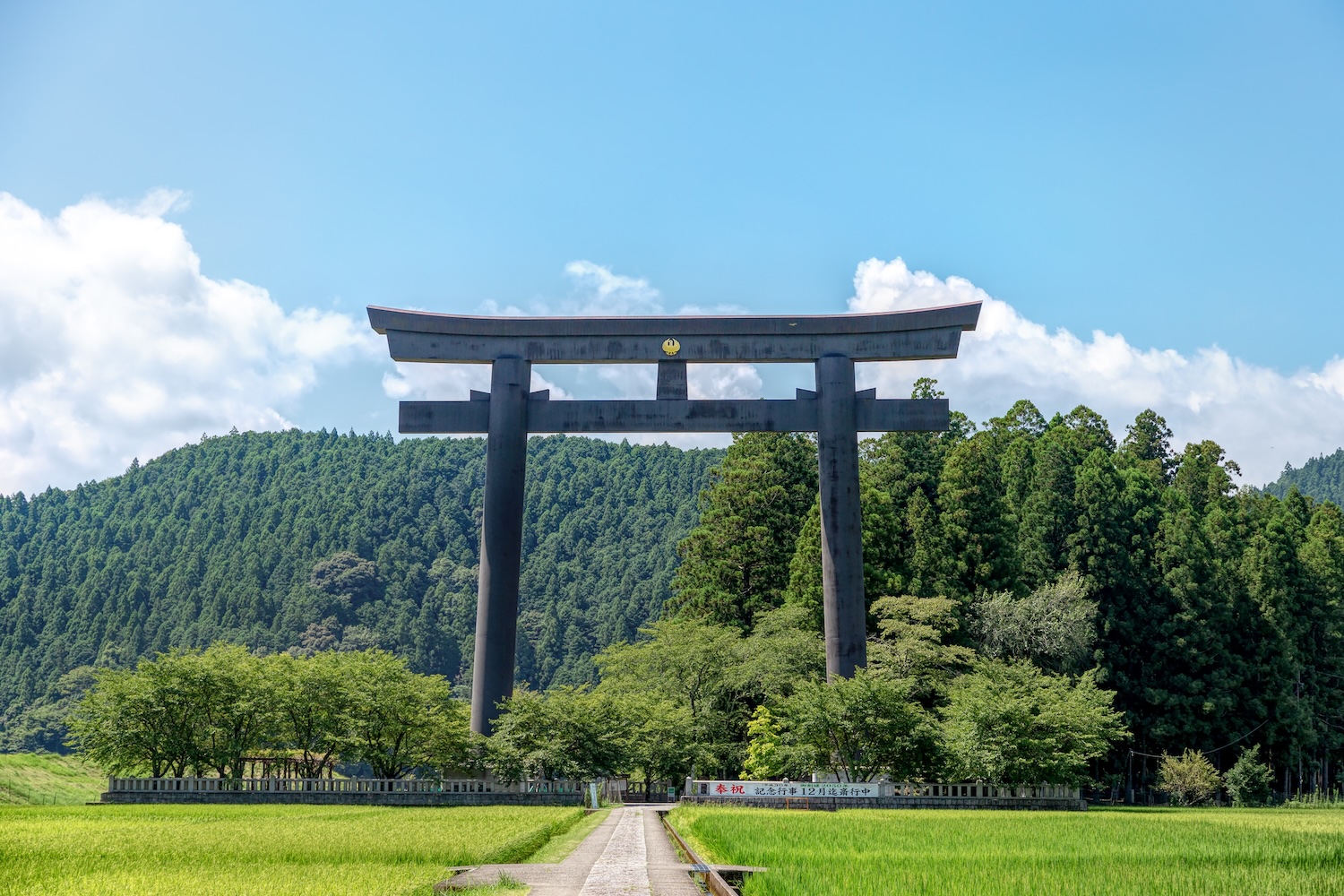
Strip away the theology, and Shinto looks a lot like a practical toolkit: rituals and customs designed to keep relationships — with family, community, and the natural world — running smoothly. Respect for family holds a central place in this framework, alongside a broader ethic of coexistence.
That's ultimately what explains the shrine-church-temple pattern that seems so contradictory from the outside. Shinto was never meant to be a person's only or exclusive belief system. It coexists comfortably alongside Buddhism, Christianity, or no formal religion at all, because it isn't asking for exclusive devotion — it's offering a set of practices for living in harmony with the world around you.