History
Brief History of Japan
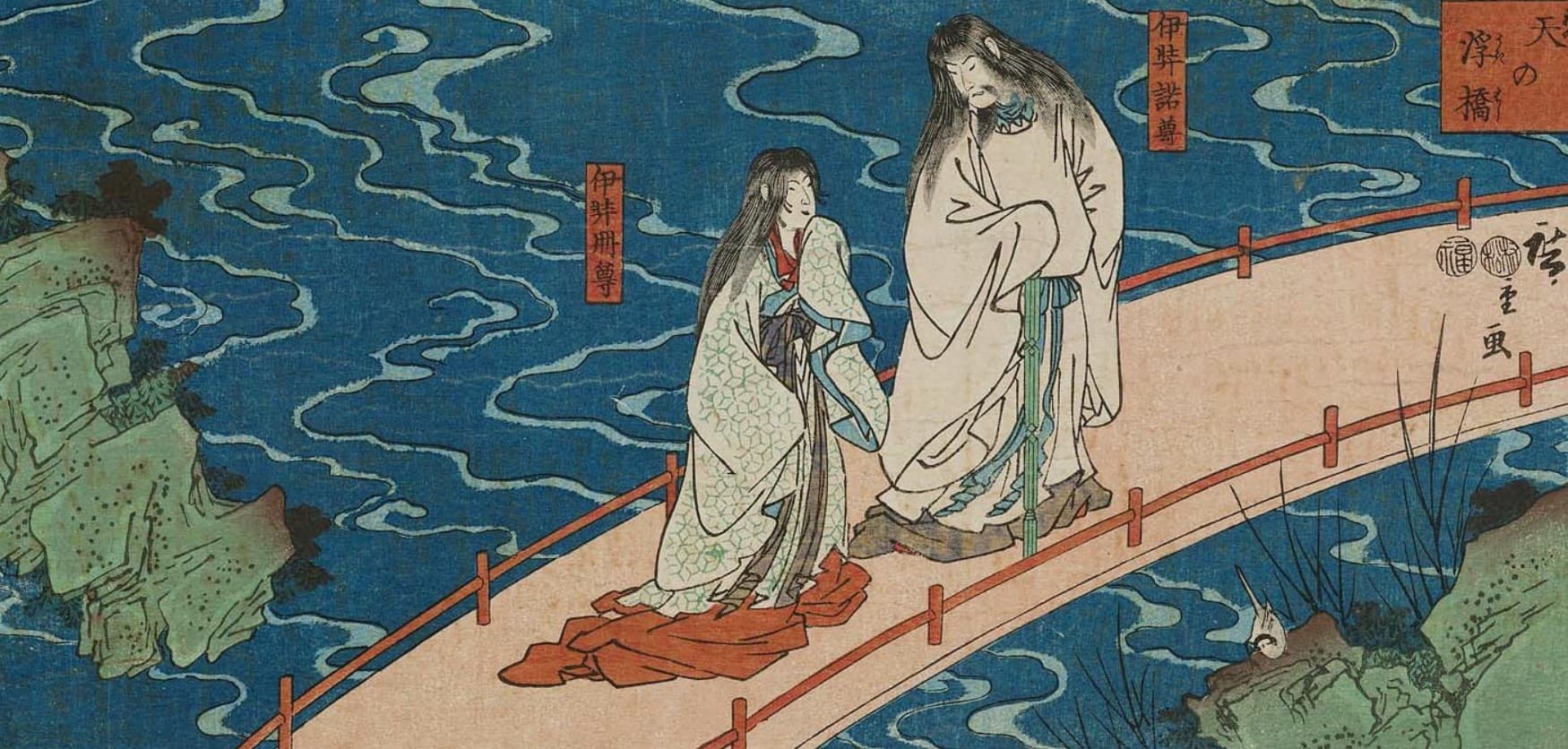
Legend tells that Japan was born from the union of two deities, Izanagi and Izanami. From their lineage came Amaterasu, the sun goddess, from whom the Japanese imperial family is said to descend. Even today, some people in Japan regard the emperor as a symbolic or divine figure.
Archaeological evidence shows that Japan’s earliest settlers lived during the Jōmon Period, more than 8,000 years ago. However, it was not until the 8th century CE that a centralised Japanese state emerged, with its first capital established in Nara. Modeled after Chinese cities, Nara became the political and cultural center of early Japan.
During these early years, conflicts between clans and religious sects were common. As instability grew, the imperial court eventually moved to Kyoto, which remained the capital for over a thousand years. Despite this shift, struggles for power continued.
A major turning point came when the leader of the Minamoto clan was appointed shogun, the military ruler of Japan. He established his government in Kamakura, marking the beginning of a feudal system in which real power lay with the military leadership rather than the emperor. Although the emperor remained the official head of state, his role became largely symbolic.
This period also saw the rise of the samurai class and the spread of Zen Buddhism from China. Between the 14th and 16th centuries, Japan was divided into feudal domains ruled by local lords who frequently fought one another, even as Kyoto remained the official capital.
The Battle of Sekigahara
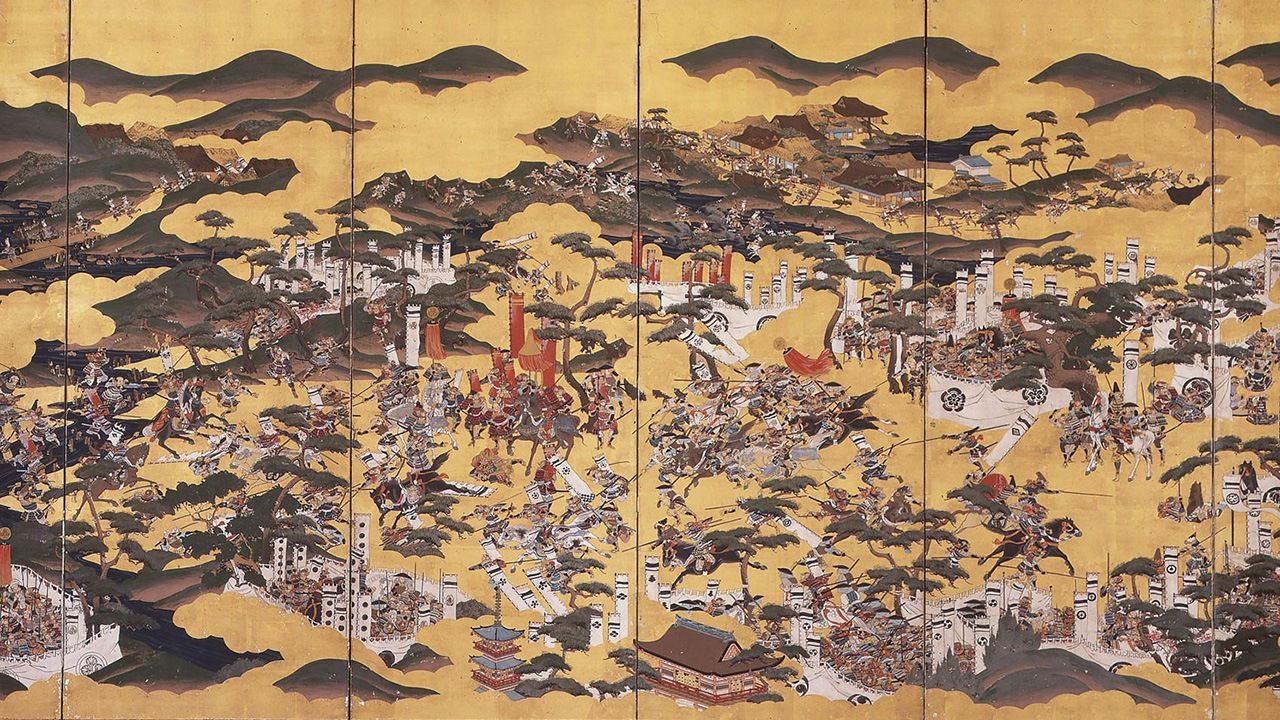
At the end of the 16th century, under the rule of Toyotomi Hideyoshi, Japan experienced a brief period of stability. However, this peace ended in 1600 with the Battle of Sekigahara, one of the most decisive conflicts in Japanese history.
The victory of the Tokugawa clan established a new ruling power that would govern Japan until 1868. Tokugawa Ieyasu became shogun and set up his government in Edo, now known as Tokyo. This marked the beginning of the Edo Period (1603–1868).
The Rise of Edo
Before Tokugawa rule, Edo was a small and relatively insignificant settlement. Under the Tokugawa shogunate, it grew into the political center of Japan. Trade routes between Kyoto and Edo expanded, attracting samurai, merchants, and artisans.
The Tokugawa government adopted an extremely conservative and isolationist policy. Foreigners were largely banned from entering Japan, and Japanese citizens were forbidden from leaving. Violations were often punished severely, and many foreign explorers who attempted to land in Japan were executed.
Isolation and Cultural Growth
For over two centuries, Japan remained largely cut off from the outside world. This isolation fostered a strong sense of national identity and loyalty. At the same time, it allowed Japanese culture to flourish independently.
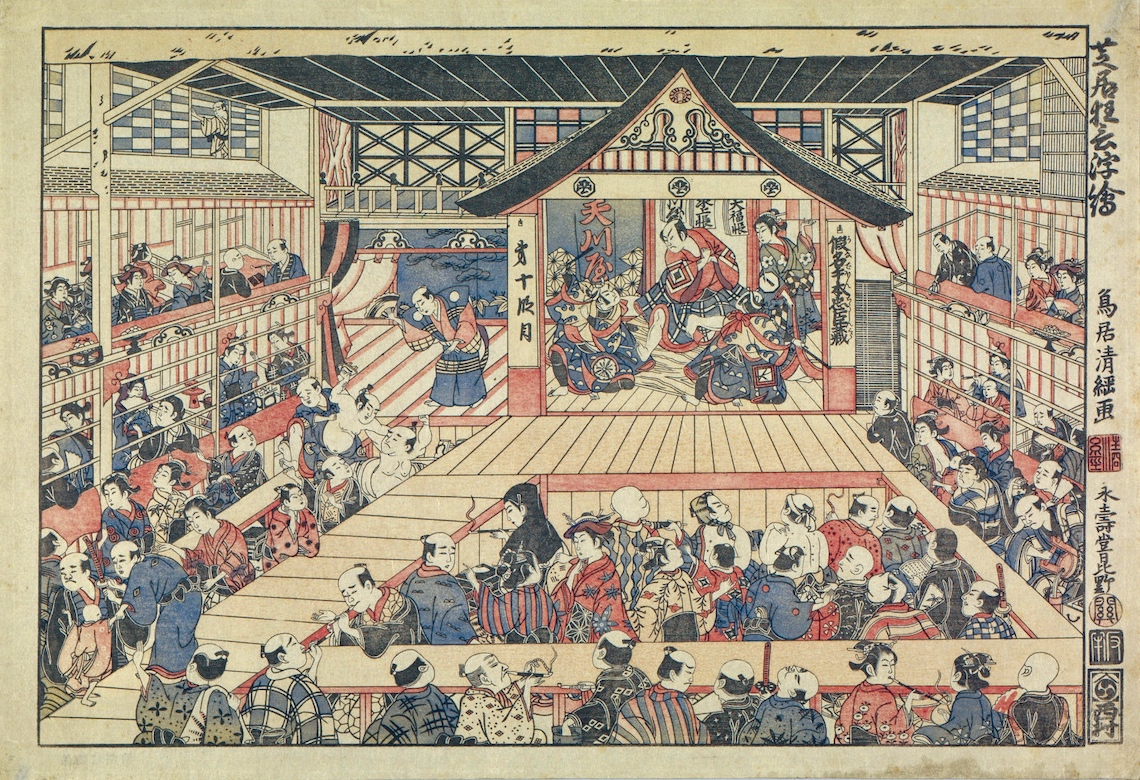
During this period, traditional arts and cultural practices developed significantly, including theatre forms such as kabuki, the emergence of geisha culture, and the popularisation of ukiyo-e woodblock prints.
The Opening of Japan
By the mid-19th century, while Europe and the United States were undergoing rapid industrialization, Japan remained a feudal society governed by the shogunate and the samurai class.
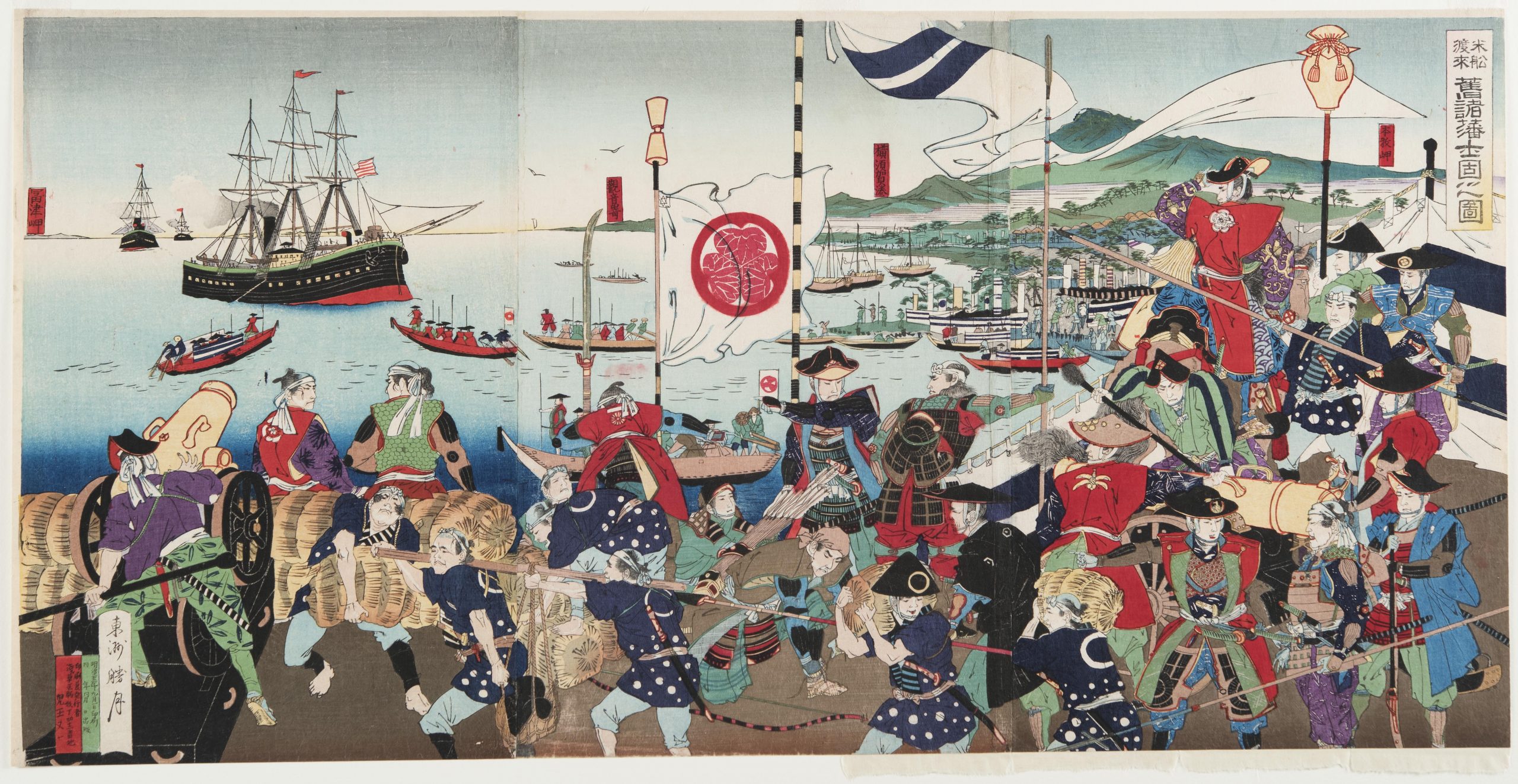
In July 1853, Commodore Matthew Perry of the United States arrived in Tokyo Bay with a fleet of warships, demanding that Japan open its ports to international trade. Facing overwhelming military pressure, the shogunate was forced to sign a treaty despite the emperor’s opposition.
This decision weakened the authority of the Tokugawa government and led to its eventual collapse. Power was restored to the emperor in what became known as the Meiji Restoration.
The Meiji Restoration and Modernization
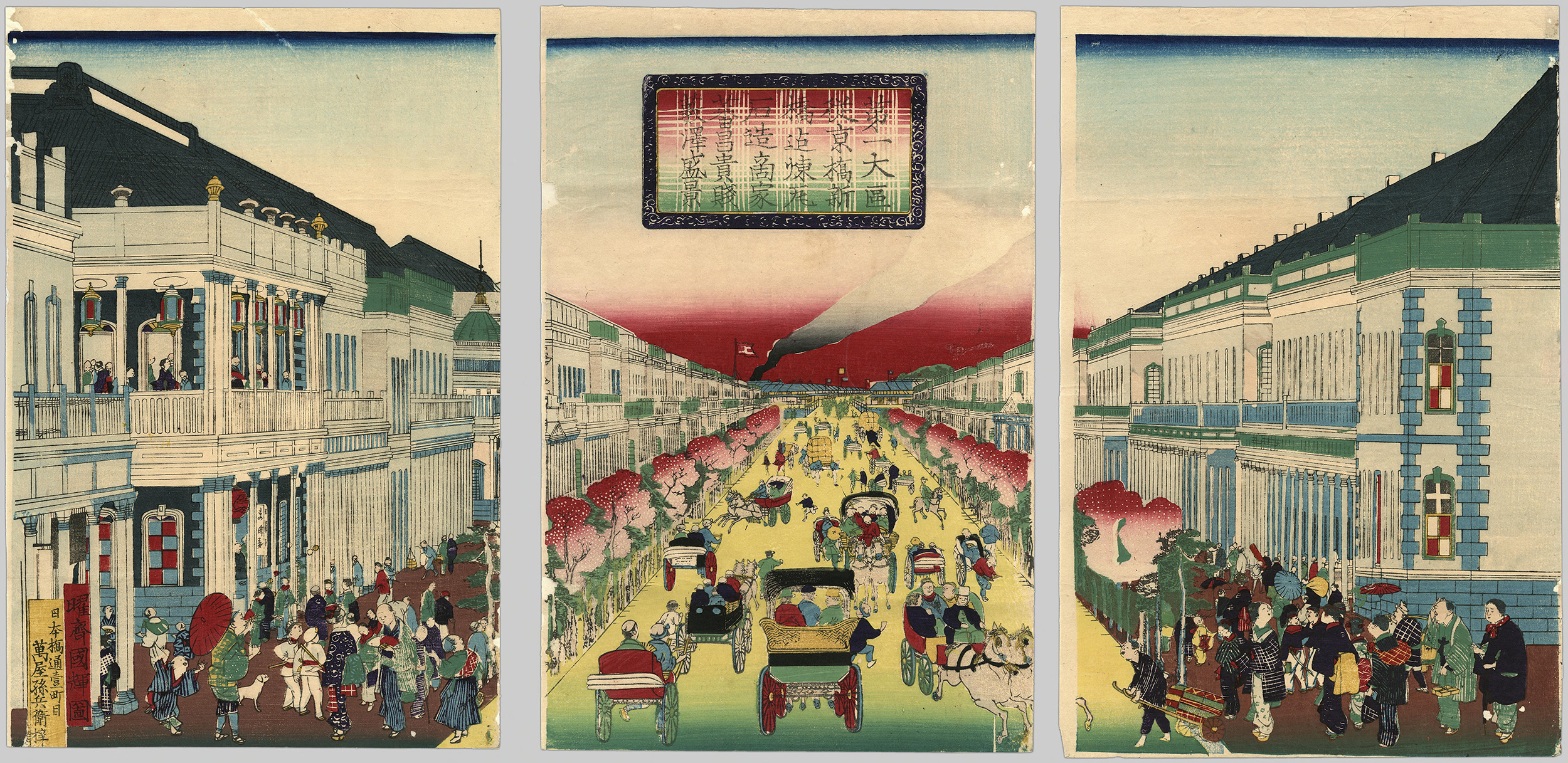
In 1868, Emperor Meiji ascended to power at a young age and initiated sweeping reforms. One of his first actions was renaming Edo to Tokyo, meaning “Eastern Capital.”
Under his leadership, Japan rapidly modernized, adopting Western technologies, industrial systems, and military practices. Within just a few decades, the country transformed from a feudal society into a modern nation-state.
This rapid development enabled Japan to emerge as a major global power, capable of competing with Western nations. Despite facing defeat in World War II, Japan rebuilt itself once again and became one of the world’s leading economies and technological innovators.
Japan’s history is a story of transformation—shaped by myth, conflict, isolation, and extraordinary resilience.